Skip to content

News

No results articles found

  • Get Familiar: Ruby Francis Patta

    Get Familiar: Ruby Francis

    Interview by Passion Dzenga A year after releasing Pages of Philosophy, Ruby Francis still isn’t quite ready to close the book on it. If anything, the London singer, songwriter, producer and DJ has found another way into the record.Written and produced by Francis herself, Pages of Philosophy sits somewhere between R&B, neo-soul, jazz and electronic music, reflecting an artist who has never had much interest in staying inside one musical lane. Now, a new collection of remixes opens the album up even further, handing its songs to friends and collaborators from London to New York, Australia and South Africa and allowing them to pull the music into completely different spaces.It also arrives as Francis’ relationship with the dancefloor continues to deepen. Alongside making her own music, DJing has become another important part of her practice, changing how she thinks about movement, arrangement and what happens to a song once it leaves the studio.We caught up with Ruby to talk about giving Pages of Philosophy a second life, trusting other producers with her music, the difference between thinking like a songwriter and a DJ, her Jamaican and Italian-British roots, and what comes next.Pages of Philosophy has been out for a year now. When you listen back to the album today, what do you hear differently from when you first finished it?It’s hard to put into words because I feel a lot of different, contradicting things. It still feels brand new to me, and I’m still excited by it and its future. But at the same time, when I listen back, I feel that it’s ageing and nurturing, like good cheese or wine!I’m really proud of it and still feel excited by it. I love the musical and sonic choices I made, and I’m excited to watch it grow. It’s a bit like a baby turning into a toddler.What made this project feel like the right one to revisit through remixes rather than simply moving straight on to the next record?It almost wasn’t my decision! I got such great feedback from people, including a lot of artists, and a few of them asked if they could remix the record. It felt right to honour that, and I’m so happy I did.I’ve also been deepening my knowledge and career as a DJ, and I’m really starting to understand the power of remixes. Whether it’s bringing something onto the dancefloor or playing it on my radio shows, you’re giving the music a new life and giving different people new ways to digest it.I guess if you’re asking me why, my answer is: why not?You wrote and produced the original album yourself. What was it like handing those songs over to other producers and letting them reshape something so personal?If I’m honest, once the original project was released, I felt a sense of detachment from it. It no longer belongs to me. As an artist, I’ve done my part and handed it over to the world.I felt similarly about handing it over to other producers. These are producers I’m a fan of and also friends with, so there was already an element of trust and excitement around it.The remix project brings together artists from South Africa, Australia, New York and London. How did you choose the collaborators?It was all quite organic. I had pre-existing relationships with each of the artists involved and I’m genuinely a fan of all of their music.Geo Jordan is my chosen family. We’ve been friends and collaborators for years. MXXWLL I’ve known for many years too; we’ve always kept in touch online and started working on a few bits when he came to London. Geotheory and Fiji Mageba are artists I’ve been a fan of for a while — I love everything they release and we’ve always been in touch online. Jamie and Basile are friends and are always up to cool stuff, whether that’s playing live or DJing at events around the city.I’m super lucky to be in touch with all of them.Did you give anyone direction on where you wanted them to take the originals?None at all. I honestly didn’t have any expectations, because if I did, I feel like that would defeat the point of a remix.I wasn’t approaching it thinking about making music that sells. It was more about creative curiosity and seeing how each producer would interpret the music individually. I gave no direction to any of them and simply trusted their talents to create something unique to them.Was there one remix that completely surprised you or made you understand the original differently?They all did to an extent. I really loved hearing my vocals on Geotheory’s liquid vibe, and Fiji’s super slow, ethereal one.I also loved how all of the remixes reharmonised the chords I’d written. I’m a huge fan of chords and always love a good reharm. It’s so rewarding to my brain and spirit.Your own contribution is the club edit of “Y U Always On My Mind?”. How does your approach change when you’re thinking like a DJ rather than a songwriter or producer?I’m thinking more about bringing the mood and how it might fit with other songs rather than the arrangement or individual technical bits. I’m thinking, “How can I make people get gassed and move?” rather than, “How can this lyric tell this particular story?” or, “What type of snare should I use?”With this remix in particular, I pretty much just sped it up and made the arrangement longer so DJs can mix it with other tracks easily. I didn’t actually change anything in the production.Your music pulls from ’00s R&B, neo-soul, jazz and electronic music without ever sitting neatly in one space. Have you always been comfortable moving between those worlds?Absolutely. I’m always most comfortable outside the box.Each of these sounds has raised me both as an artist and as a human, and I love being able to pull inspiration from each genre. My expression has never strictly fallen into any one category. That’s just how it has always naturally been for me. I don’t know any different.You started writing and producing from a really young age. What did learning to produce your own music give you creatively that songwriting alone couldn’t?More ways to communicate and express myself — often more than lyrics can. Production says things that words cannot. Sometimes a progression of chords, a melody or an arrangement can say it all.With words, you can say, “I love you,” and of course there are other poetic ways to convey that. But musically, there are limitless ways to communicate the same feeling. It could be through the movement of chords, the space you use, bringing strings into one section and taking them away in another, or through synth lines that are slightly detuned, reverbs and textures.“I love you” can really be felt without the words.Your dad played bass and you grew up around a lot of music. What parts of your Jamaican and Italian-British upbringing do you recognise in your music now?It’s interesting because my cultures didn’t really play a huge part in my musical upbringing. It came more through subtle values at home and my wider family. I’d visit my Jamaican grandparents and hear their beautiful accents and stories from the past, or visit my Nonno and have risotto and learn words with him. Those things trickled down into my home as a child, but they weren’t necessarily the most prominent part of growing up.It’s actually in my adult years that I’ve become much more interested in the music and culture of Jamaica and Italy. Especially Italy. I’m obsessed with Italian film music from the ’50s through to the ’70s. Composers like Henry Mancini and Piero Piccioni have really inspired me.I’m also feeling called to travel to Jamaica and Italy to deepen my knowledge of my Jamaican Black history as well as my Italian history.And through my dad being with an Icelander and moving to Iceland, I now call Reykjavík a second home. I’m often back and forth between there and London and feel really familiar with the culture there too — Björk, hot springs, soup and the Northern Lights!You’ve mentioned everyone from Stevie Wonder and Jill Scott to Björk and Astrud Gilberto as influences. What part of your musical taste do you think might surprise someone who only knows you through your R&B records?Anyone who really knows me would say none of it is surprising! But perhaps people who are more familiar with the R&B side of my sound might be surprised by the more alternative stuff.I love indie, alternative and slightly rocky stuff like Men I Trust, as well as the old-school film music I mentioned earlier.On 10 September you’re performing at Gamla Bíó in Reykjavík around Yasiin Bey’s show. What does sharing a bill with an artist like him mean to you?It’s pretty nuts! It’s a massive privilege to share the stage with such a legend.Although I’m not the most familiar with his music, I love pretty much anything that came out of the Soulquarians, and I love what he stands for lyrically. I’ve heard he’s a wicked performer, so I’m excited to watch him do his thing. That’s the best way to fully educate myself!I also think it’s great that his music is being brought to the small population of Iceland. Big ups to my boy Benni, B Ruff, for making it all happen.The performance itself will be a DJ set by REW, with a few other artists joining for a kind of cypher set with some crazy visuals. It’ll be a vibe.After giving Pages of Philosophy this second life, what feels like the next chapter for Ruby Francis?New music! I’m going to be locking in over the next few months to work on my demos and a new direction.I’ll also be travelling to Jazzy Jeff’s Playlist Retreat this month, which I’m sure will bring about new inspiration and collaborations. I’m excited to finish up and release new stuff.I’m also working on my next live headline show in time for the five-year anniversary of my debut album, Archives.A year on, Pages of Philosophy feels less like a record Ruby Francis is looking back on and more like one that is still finding new places to go. Handing the songs over to friends and collaborators has opened them up to different tempos, dance floors and interpretations, while her own growing relationship with DJing has given her another way to understand how music can move between people.That same curiosity seems to be carrying Francis into whatever comes next. With new demos taking shape, time set aside for writing and collaboration, and the fifth anniversary of her debut album Archives approaching, she is already thinking beyond the world of Pages of Philosophy. If the remix project proves anything, though, it is that moving forward does not always mean leaving old work behind. Sometimes a song just needs a different set of ears, a different room or a few extra BPM to reveal what else was hiding inside it.
    • Get Familiar

  • MOSAIKO Block Party Patta

    MOSAIKO Block Party

    As we prepare to close the doors of Patta Milano, we’re spending the weekend showing love to the people and communities that have made the city feel like home.On September 13, our homies at MOSAIKO are taking over Quarto Oggiaro for the MOSAIKO Block Party — bringing together music, community and some of the people pushing Milan’s creative culture forward.Milan is full of artists, collectives and communities building incredible things every day, but those different worlds don’t always get the chance to meet. MOSAIKO wants to change that.Taking place at ARCI Itaca, the Block Party is about creating a space where people can connect, dance, create and celebrate together. More importantly, it isn’t about bringing something to Quarto Oggiaro, but building something with the neighbourhood.Created alongside Milan-based collectives, artists, partners and local community members, the day is rooted in exchange, collaboration and giving back. Music. Community. People. Energy. We’re proud to support the homies and see Milan come together for this one.RSVP HERE
    • Events

  • Patta Milan Sale Patta

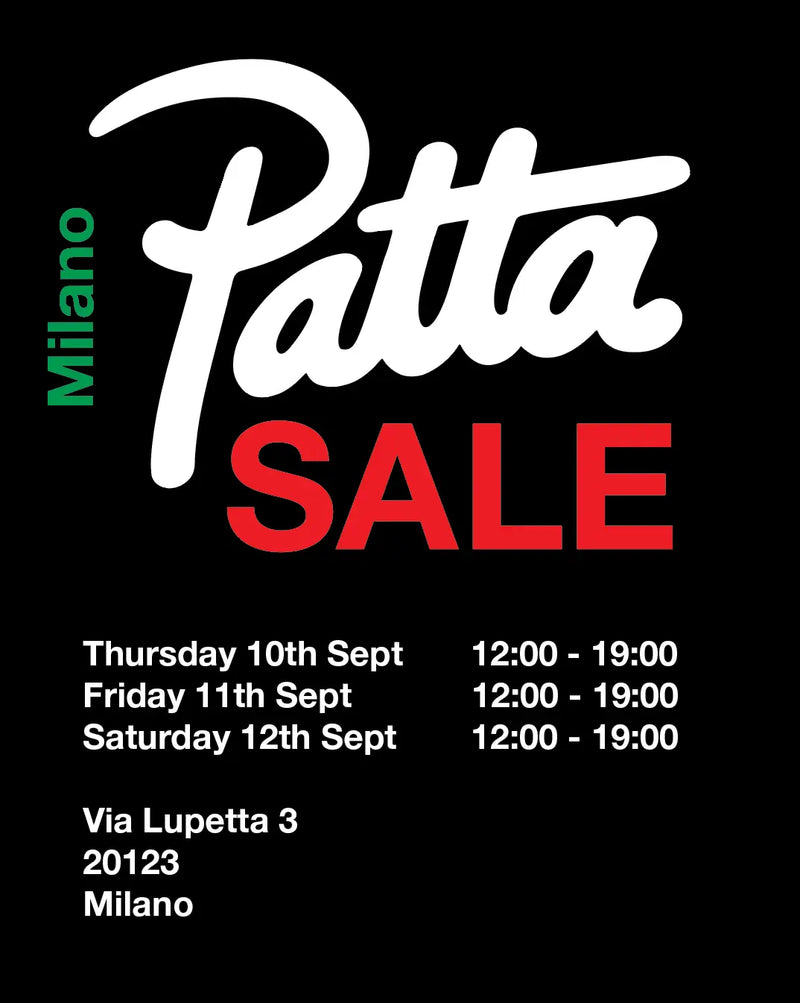
    Patta Milan Sale

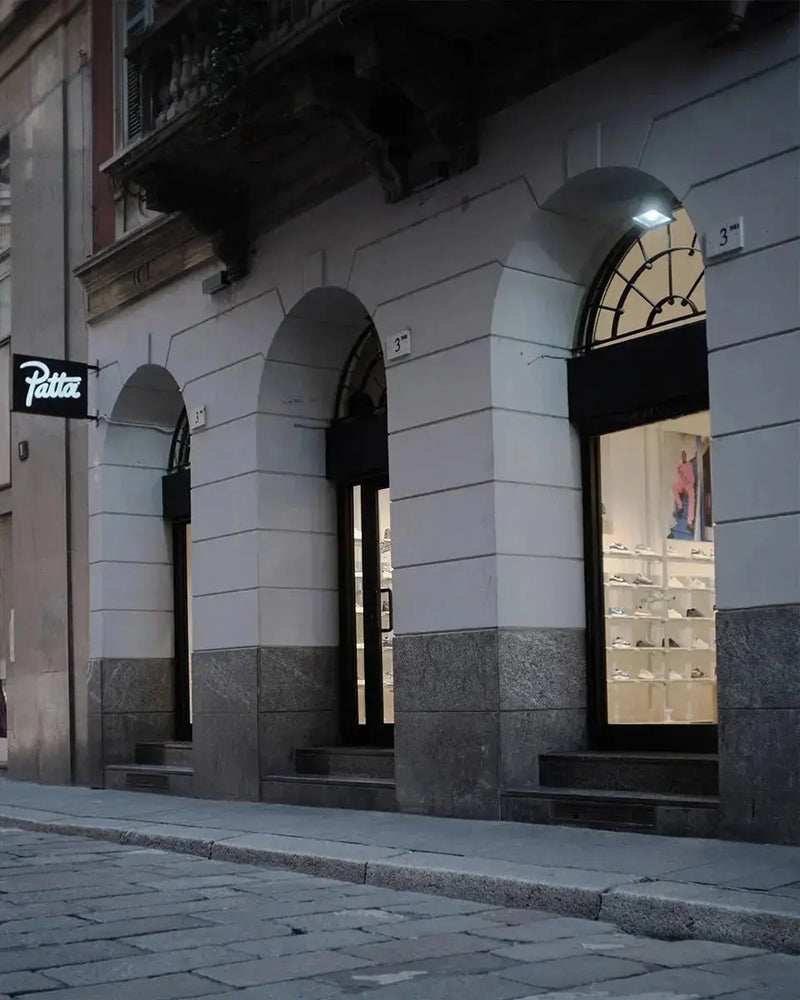
    After more than seven years in Milano, we’re bringing this chapter of our story to a close. To mark the moment, we’re opening the doors of our Milano Chapter Store for a special sale from September 10th until September 12th, bringing together our community one more time in the space we’ve called home. This is our chance to celebrate those seven years together.While the Milano Chapter Store is closing, our relationship with the city and the wider Italian community continues. Patta will keep building through grassroots initiatives, activations, collaborations and new projects across Italy.Thank you to our Milano team and to everyone who has walked through the doors, supported us and made the space their own.The chapter closes. The community continues.Find us this week here
    • sale

  • Get Familiar: Elisa Beltramin Patta

    Get Familiar: Elisa

    Few people embody the relationship between creativity and the outdoors as naturally as Elisa. Born in Venice but drawn to the peaks of the Italian Alps, she has built a life where exploration, design and storytelling exist in constant dialogue with the landscapes that surround her. Whether hiking remote trails, climbing exposed ridgelines, wild camping beneath the stars or sleeping in the snow, Elisa approaches the mountains not as somewhere to escape everyday life, but as the place where she feels most at home. That connection extends beyond adventure. As one-third of the creative collective MBRACE, she brings the patience, observation and respect she has developed outdoors into projects spanning design, fashion and visual storytelling, collaborating with brands such as The North Face while advocating for a more thoughtful relationship with both the products we consume and the environments we inhabit. We caught up with Elisa to discuss growing up between Venice and the Dolomites, embracing discomfort, finding confidence through solitude and why curiosity remains the driving force behind everything she creates.Elisa is wearing the Patta Chapter Series, available now only in Patta Amsterdam, London, Milan and Lagos.You were born in Venice, but you've built much of your life around the mountains. Can you tell me about that journey? Was there a moment when the outdoors shifted from being somewhere you visited to somewhere you truly belonged?I’ve always felt connected to nature; my parents spent a lot of time taking me into the forests and the mountains, so being outdoors has been part of my life for as long as I can remember. As I got older, I naturally started exploring on my own, and that’s when something changed. The mountains stopped being a place I visited with my family and became a place where I felt myself completely. They’re where I feel the most present, the most grounded, and the most free. It never felt like I consciously chose that life, it simply grew with me and became who I am.Growing up between the lagoon and the mountains offers two very different landscapes. How has that shaped the way you experience nature today, and what was it about the Dolomites that ultimately made them feel like home?I think growing up between such different environments taught me that nature has so many ways of making you feel connected. The lagoon has a calm, quiet energy, while the mountains are raw, powerful and constantly changing. I love both, but the Dolomites have always given me a stronger sense of belonging. Every season transforms the landscape, and no matter how many times I return, they always have something new to teach me. They challenge me, inspire me and make me feel grounded at the same time.You spend a lot of time hiking, climbing, wild camping and even sleeping in the snow. What keeps pulling you back, and do you see the outdoors as an escape from everyday life or simply another way of living?For me, it’s not really an escape; it’s simply a way of living. Being outdoors gives me a sense of freedom and motivation that I can’t find anywhere else. It pushes me to know myself better, to understand my limits, and at the same time it reminds me to appreciate the simple things. Life feels more real when you’re outside, moving through nature one step at a time.Living so closely with nature inevitably changes your perspective. How has spending so much time outdoors reshaped your relationship with discomfort, and what's something people often misunderstand about life in the mountains?Spending so much time outside has taught me that discomfort isn’t something to avoid; it’s often where you grow the most. Being cold, tired or facing unexpected conditions makes you adapt and stay present. I think many people imagine life in the mountains as either romantic or extreme, but the reality is somewhere in between. It’s about respecting nature, being prepared, and accepting that you can’t control everything. Many of your adventures take place alone in remote places. What have those moments of solitude taught you about yourself? Has being alone become a source of comfort, or does it still come with moments of uncertainty?I genuinely love being alone in the mountains because it reminds me how much I can rely on myself. Of course, some moments can be a little scary, especially in remote places, and I won’t pretend otherwise. But overcoming those situations on my own gives me a much stronger sense of confidence and awareness. Solitude has become something I really value because it allows me to listen to myself without distractions.Whether you're sleeping in the snow or climbing remote peaks, there's always an element of risk. How do you prepare yourself mentally before setting off, and where do you personally draw the line between adventure and unnecessary risk? Have you ever found yourself in a situation where you genuinely questioned whether to continue?Preparation is everything. Before every trip, I make sure I have the right equipment, I carefully check the weather forecast, study the route, look at GPS tracks and gather as much information as possible. That preparation gives me confidence, but it also helps me recognise when it’s time to stop. I remember one trip where the snow conditions made it unsafe to continue, so I decided to turn back. It wasn’t the outcome I wanted, but it was the right decision. I think real adventure also means knowing when to let go of your original plan. The mountain will always be there another day.You recently explored Valle Aurina. What drew you there, what made the landscape stand out, and did that journey change your perspective on the Italian Alps in any way?I had wanted to visit Valle Aurina for a long time because I’d heard how wild and untouched it feels compared to other parts of the Alps. What really impressed me was the silence and the feeling of space you can spend hours walking without seeing many people. It reminded me that even in places I think I already know, there are still landscapes capable of surprising me. That trip made me appreciate even more how different the Italian Alps really are.Beyond your outdoor practice, you're also one-third of MBRACE. How did the three of you come together, and how do your different creative backgrounds complement one another?MBRACE was born from the connection between the three of us: me, Enrico and Jonny.We’re three very different people, but we share the same vision and curiosity. Each of us observes the world from a different perspective and brings different skills to the table. When those perspectives come together, they create something that’s always fresh and inspiring. We all share a passion for nature, fashion, sport, art and creativity, and I think that’s what makes our work feel authentic. Your work sits at the intersection of the outdoors, design and storytelling. In what ways do your experiences in nature directly influence the creative projects you take on?Nature influences almost everything I create. Spending time outdoors teaches me to slow down, observe details and pay attention to light, textures and movement. Those experiences naturally shape the way I approach storytelling and design. I like creating projects that feel honest and that communicate real experiences rather than just beautiful images. Being outside constantly reminds me that the strongest stories come from genuine moments.You recently worked with The North Face around circular design during Milan Design Week. What interested you about that project, and how do you think design can encourage people to build a deeper relationship with the environments they inhabit?What I found most interesting was the idea of giving materials a second life instead of seeing them as waste. I think good design has the power to make people think differently about the products they own, encouraging them to repair, reuse and value things for longer. When design tells a story, it can also strengthen our connection with the environment and remind us that every choice has an impact.Sustainability has become a buzzword, but your work is rooted in spending real time outdoors. What does sustainability actually look like in your day-to-day life, and have you noticed the mountains themselves changing over the years?For me, sustainability isn’t something you talk about; it’s something you practise every day through small choices. I try to buy less but better, repair my gear whenever possible, reuse what I already own and always leave nature exactly as I found it. Spending so much time outdoors also makes it impossible not to notice the changes happening in the mountains. Snow arrives later, glaciers are shrinking and weather conditions have become much more unpredictable. Seeing those changes with my own eyes makes protecting these places feel even more important.Looking ahead, you've built a life that connects exploration, design and creativity. What kind of legacy do you hope that way of living leaves behind—for the people who follow your work and for the landscapes that continue to inspire it?I hope my work encourages people to spend more time outside and build their own relationship with nature, whatever that looks like for them. You don’t need to climb the highest peaks to experience something meaningful; you just need to be curious and willing to explore. If I can inspire even a few people to respect nature more, move through it with awareness and appreciate its value, then I’ll be happy. At the same time, I hope the landscapes that inspire me will remain protected so future generations can experience the same sense of freedom that I have.For Elisa, the mountains are far more than a backdrop for adventure. They are a place of learning, creativity and perspective, where every journey reinforces the value of patience, preparation and respect for the natural world. In this photoshoot, she is wearing the Patta Chapter Series, available now only in Patta Amsterdam, London, Milan and Lagos.Whether through MBRACE, her collaborations with The North Face or the countless hours she spends exploring remote landscapes, her work is guided by the belief that meaningful stories begin with genuine experience. In an age where the outdoors is increasingly filtered through social media and spectacle, Elisa offers a quieter alternative—one rooted in curiosity, self-reliance and a lasting commitment to protecting the places that continue to shape her. Her hope is simple: that others are inspired to step outside, move through nature with intention and leave it just as they found it, ensuring future generations can discover the same sense of freedom that first drew her to the mountains.
    • Get Familiar

  • Tales from the Echobox: Rhythmic Culture Radio Patta

    Tales from the Echobox: Rhythmic Culture Radio

    Interview by Passion DzengaLaunching in 2021, Echobox has been forging a path for community radio by showcasing the diverse characters and concepts that surround their station. In this feature, we will be looking into one of the broadcasts that you can tune into, so get locked in and don’t touch that dial.Ten years in, Rhythmic Culture still moves like it’s in its first year - hungry, stubborn, and led by taste over hype. What started as Brendan Reterink’s personal SoundCloud for sharing mixes with friends has grown into a multi-lane platform: a mix series with international reach, a monthly Echobox radio residency that brings the community into the room, a label releasing left-field projects on its own terms, and an agency built from the same instinct that started it all, spotting talent too good to be overlooked.In this conversation, we trace the full arc: the early DIY parties before venues would trust them with a night slot, the pandemic pivot that pushed Rhythmic Culture from link-sharing into proper world-building, and the philosophy that’s kept it consistent for a decade. Brendan speaks on rhythm as the “red thread” across genres, why community can’t be treated like a marketing line, and how real trust - in artists, in curators, and in your own instincts - is what keeps a platform alive when nobody’s making a living off it. With 50 radio episodes on the horizon and new releases in motion, Rhythmic Culture isn’t celebrating an anniversary. It’s marking momentum.You started Rhythmic Culture as a personal platform, what was the original spark?Basically, when I started Rhythmic Culture, I was also in my early days of getting into DJing. I wanted to create a platform for myself where I could share the stuff I was into with friends and people who were interested. That was way before my full-time time in the music scene, so my network wasn’t what it is now. I didn’t have so many like-minded people around me. It was just a place to drop what I liked. There wasn’t a bigger plan behind it back then.At some point, I started asking people around me like, “Hey, are you interested in recording a mix for this too?” That’s how we started dropping mixes on SoundCloud every now and then, and we did that for about a year.When did it move from “just a SoundCloud” into something more real?The first year was mainly that. Then I started an internship at ADE and I was around a bunch of young people who were eager to do something in the music industry. I told some guys, “I have this SoundCloud thing, we’ve got a little community checking it, and I’m planning to do a little event, are you interested in helping?” They were like, “Yeah, let’s do it.”Our first event was from 7 to 11 in the bar of Chicago Social Club because they didn’t trust us enough to give us a proper night slot. So we got a slot before they opened, but we filled the whole bar with friends. From there, we started connecting with programmers and venue people in Rotterdam, Breda, and Amsterdam, and we started asking if they were willing to let us host small parties. And we did for a year and a half.Then COVID started. We had our agenda planned and then nothing could happen. We were sitting still and didn’t know how long it would take. After a couple months, we were like, “Why are we not going online?” We still had something to offer.That’s when we started building a website, doing regular mixes on SoundCloud, and creating a proper online music platform. We started doing editorials too. That switch is really the base of what Rhythmic Culture is now.So the DIY approach was always the foundation, did that DIY mindset also shape the editorial side?Yeah, everything we did was from our own resources. We looked at what we could do within our team. It was, and still is, very personal to all of us. It’s a direct reflection of my vision of music, and I think that’s why I could do it for so long. It’s personal, and I have the freedom to show what I want. No one tells me, “I don’t like this,” or “You should do something else.”That’s also why Rhythmic Culture differs from other projects I did with ADE or Dekmantel. Those are bigger, more professional organisations. With Rhythmic Culture, we always had freedom. We don’t care if you’re a bedroom DJ or established, if we think you’re cool, we’ll try to give you the platform.And we’re still small in that sense. We serve a certain group of people who are searching for this kind of music curation. There’s no need for us to be the next RA, those platforms already exist and serve that community. We’re trying to bring a different curation. I still find names I’ve never heard, and that triggers me. There’s so much talent out there that doesn’t get a podium. Over the years, I've also learned that being independent isn't just about doing everything yourself. It's also about not relying on external validation. In the beginning you naturally hope people around you will understand or support what you're building, but I've realised that's not something you can expect. Now, whenever we start something new, the question is simply: are we genuinely excited about this ourselves? If the answer is yes, that's enough. We've learned to trust our own taste first, and I think that's what has kept Rhythmic Culture authentic after ten years.In your press release you said: “Even after all this time, we still haven’t cracked the code.” What are you still learning?I think what we’re still learning is that there probably isn’t really a code to crack. The musical landscape is always changing, and so are we. For us, it’s more about sticking to what you believe in, while still being open to what’s happening around you.Being stubborn in how we look at music is a big part of that. That’s what brought us here. We believed in what we saw in the musical landscape and pushed it without making too many compromises. But at the same time, you’re constantly discovering new things and learning from the people and scenes around you.And I think curation is probably more important now than ever. We have access to so much music now, pretty much everything is out there if you know where to look. But there’s also so much that it can be hard to find something new or different. That’s where I think curation becomes important—someone showing you something you might not have found yourself.That’s also why things like our guest curation series are important to us. We ask artists we admire to pick two lesser-known artists from their city, scene or country to record mixes for the channel. Everyone I asked said yes, and through that we’ve had the opportunity to work with artists like Simo Cell, Mia Koden and ZULI. Recently we did one with Lil Mofo, and there’s a very cool one coming up with Gavsborg. For me, that’s also what community is about. It’s not something you can just use as marketing. It comes from people actually wanting to be part of what you’re doing and contributing to it in their own way.There’s a desire to show what’s around, because established artists already have platforms. But there are so many talented people who don’t. I think that’s something we’re still learning as well: to keep looking beyond what we already know and not think that we’ve figured it all out. The drive stays the same—do what you believe in and don’t just go for what’s successful.You’re celebrating 10 years,  why “Rhythmic Culture”? What does rhythm mean to the platform?When I started, I was thinking: what word captures what I believe in? I’m not someone who’s only into one type of music, but the red thread in everything I’m into is rhythm. And if you look at what we represent, everything is based around different sorts of rhythms.We don’t really care if you’re a techno guy or into dancehall. For me, it’s more about that common thread between all these different types of music. And we’re still expanding and evolving as well. I’m exploring a lot of Hip Hop beat making now, and those elements are slowly finding their way back into the platform too.Has anything “left field” surprised you through running the platform, something that changed the way you think about curation?Curating a lot and running the mix series has definitely encouraged me to keep looking at what’s out there. There’s a lot of digging involved—going through SoundCloud, diving into artists and listening to sets. I listen to a lot of mixes throughout the week. Not everything you come across is something you like, but that’s also part of digging.I think the biggest thing is that it keeps you curious. There’s often an element of surprise, even when you think you know what to expect from an artist or a scene. You can come across something completely different from what you had in mind, and suddenly you’re down another rabbit hole.Even for me as a curator, I still get surprised by the things I’m curating. I think that’s probably what changed the way I look at it. You can have your own taste and ideas about music, but you have to stay open and keep looking. That’s also why I still enjoy doing it so much after all these years.You’ve also introduced guest curators. What’s your thought process there?We showcased a lot of artists already, but there’s so much going on that’s not on my radar. And because I’m doing many things in the music environment, I got in touch with a lot of artists and people, and I got to know them on a personal level too.At some point I thought: why should I put focus on the Lisbon scene myself if I’m not even from there? Why not ask someone local who’s in the middle of it, let them pick two artists. It adds an extra level of discovery, because my knowledge stops somewhere.It keeps it interesting for me too. Sometimes when I see what people are coming back with, it’s often names I haven’t heard about. I think it’s a great opportunity to put lesser known artists in the spotlight and the curators often have very personal stories that come with it. Simo Cell for example picked his university professor, who turned out to be a sick DJ.You’ve been running Rhythmic Culture Radio on Echobox for years now. What does the radio format give you that the mix series doesn’t?Before Echobox we did radio shows at places like Operator or Kiosk, but they were one-offs. When we found out Echobox was starting, it was like: we can apply and build something recurring, a monthly thing.When Echobox gave us the monthly residency, they wanted us to host and talk on the mic – which I didn’t really like in the beginning haha. But it added a whole different layer to the show because we could actually talk about music. Now it’s almost second nature.The mix series became something with a very international focus and it’s something that solely lives online. The Echobox show lets us focus more on what’s local, and talk, and the format is different. It’s a chance to highlight new music I get sent through promos or friends. When we get a guest, we do interviews.And there’s a physical element to it, because we actually go to a radio studio and meet with people. A lot of what we do is digital, but with the radio we can really connect in person with artists and the music community.You also started a label. How did the label releases come together, and what’s next?The label was always something I wanted to do, but I never really had the time to put a lot of effort into it. The way we approach it now is quite simple: we get demos from friends or people who know and like what we do, and see if we can make something work.We had a release with Keita Sano from Japan. I got something like 20 demos from him and honestly, everything was sick, but we narrowed it down to five. That release was super cool–it’s not necessarily a super polished EP and that also made it very interesting for me to put out.We also did one with Benedikt Frey, which went more into a breaky jungle/drum & bass direction—quite different from his other projects. And we did a mix cassette with Zohar and Mika Oki.At the moment, we’re working on some future plans again, so hopefully we’ll have some new stuff coming out towards the end of the year.50 episodes of Rhythmic Culture Radio is just passed, how did you mark the moment and did you celebrating it properly?We’ve treated our 50th show pretty much like all the others—just bringing good tunes. I also think it’s quite hard to suddenly do something that feels unique or fresh, especially considering we’ve gone all over the place with the show over the past 50 episodes and counting.Echobox moved to a new studio. What changed for you, and what does the new space unlock?When Echobox started, the studio was literally two minutes from my home. I’d get a call five minutes before the show, like, “You coming?” and I’d leave and be there. Now I have to bike to Noord, so I have to plan.But I really like the new studio. It fits the vision better because Echobox wanted to become a community space. Now people can actually go and visit, that accessibility was missing. The old studio was nice but hidden. If you weren’t an insider, it was impossible to go there.Now it can become more like Kiosk or The Lot Radio: a space where you can just go hang, meet like-minded people. I want Echobox to become that, if you’re visiting Amsterdam or it’s a sunny Sunday and you don’t know what to do, you go there, drink a beer, talk about music.Amsterdam has a lot of islands, techno people there, jazz and house there, hip-hop there. With Kiosk it doesn’t matter, you sit at the same table. I hope Echobox becomes a space like that: you’re into music, you go, connect, put ego aside, and share discovery.If you go back to 2016. Did you ever expect you’d still be doing this 10 years later?No, not at all. I never started with a vision of becoming a platform. I still ask myself sometimes where we want to go. We always kept going with what felt good, followed the flow, and we’re happy with the direction.We’re still super small. Sometimes it’s frustrating, you put effort in and don’t always get feedback back. But the important thing is we stayed real to ourselves. We never made choices we weren’t happy about. And we’re not financially dependent on it, everything goes back into the platform, everyone has a job on the side, that’s the strength of the DIY mentality.What excites you most right now, what feels “next” for Rhythmic Culture?After 10 years I reflect more on what we do and our position, what we bring. I’m thinking a lot about reinventing in a way that still fits us. Things are working, but I still feel there’s potential.  More to get out of it, more to win for the platform and the people we work with.That’s why it sometimes feels like we’re just starting. Which is weird, because it’s been 10 years, but it feels like there’s still more to figure out.Is that same “natural progression” why you expanded into an agency?Yeah. With most projects we start, there’s never a big intention; it comes from flow or frustration.I was like: we talk with so many people in the industry, why don’t we just try to get them some air time? So we started. I had no experience in running a booking agency, neither did Tim, we just went for it and learned along the way. That’s still how we approach it.I think we’re not the typical booking agency. We’re not there to get the most and biggest shows for the highest fees and that’s something we always make clear from the beginning. I want the roster to offer something fresh and exciting into the scene. All the artists we work with, we strongly believe in and we’re eager to find out what we can do and put our platform behind our artists.Who’s on the roster right now?Our roster consists of quite some names that I’m happy to work with, and first and foremost am a big fan of myself. For some international artists we function as a sub-agent for just The Netherlands. We’ve got AliA and Ava Eva, both crazy good Belgian DJs. Then we’ve got Photonz, a Lisbon dance music legend and King Kami – a killer DJ from Brazil and also based in Lisbon. Low End Activist, NPLGNN and ojoo all are real champions in soundsystem culture and their (live)sets are out of this world. And of course we have incredible local artists on the roster that I’m very excited to work with; askmelater, Lieke TR, Lolo Batten, Max Abysmal, Misa, Nathan Kofi and Teqmun. I can really recommend checking them all out.With that in mind, what do you want to build into the agency next?Tim and I talked about building a talent development program into the agency. Like: bringing in someone young from Amsterdam, putting them alongside other artists on the roster, and giving leverage through our platform. Using the platform for new talent is something we shouldn’t underestimate.Last one: you run a platform that also gives curators space. How do you approach trust in curation?When I ask someone to curate for us, I give them full trust. I would never tell someone that I disagree with what they’re doing. If I choose to put the curation out of my own hands, I want that person to have complete freedom and my full trust.That’s also how I’ve approached Rhythmic Culture from the start. If I wanted to do something, I did it. I didn’t really care whether it was “cool” or not. I just put it out and made sure it got the exposure it deserved.I think that’s also how I look at the people we work with. Everyone has their own perspective and way of looking at things, and that’s exactly why you ask them to curate in the first place. So for me, Rhythmic Culture is a platform not only for makers, but for curators too.And you’re really saying you’ve got another 10 years in you?10 years is quite a long time and 2016 really feels so long ago, but I have the feeling we have so much more to offer and discover. If we can keep going at the same pace as the past 10 years, I’m pretty sure we’ll manage another 10.Tune in to Echobox. Broadcasting from below sea level every week, from Wednesday until Saturday.
    • Tales From The Echobox

  • Patta Milano Closing Patta

    Patta Milano Closing

    After more than seven years, we’re closing the doors to our Milano Chapter Store.Since opening, the store has been a place for the Italian Patta community to meet, connect and spend time together. From releases and events to the everyday moments in between, Milano became an important part of Patta’s journey.We want to thank everyone who helped make the store what it became. To the Milano team, whose work and dedication kept the space moving, and to everyone who came through the doors and supported us over the years.While the store is closing, our connection to Milano doesn’t stop here. We’ll continue to build with the communities we’ve connected with through grassroots initiatives, activations and other projects in Italy.Seven years brought a lot with it. Friendships, collaborations, memories and a community that extends well beyond the store itself.Thank you to everyone who is part of Patta Milano.The doors may be closing, but the community remains.
    • news

  • Patta x Oroko Radio -  Fête de la Musique Patta

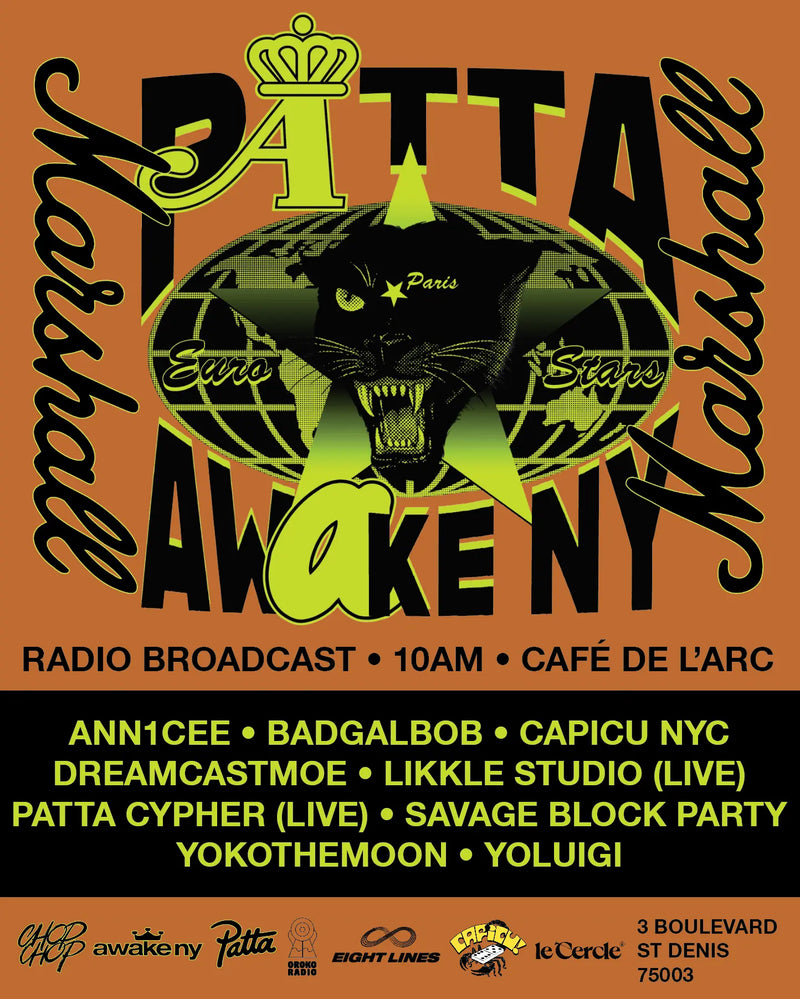
    Patta x Oroko Radio - Fête de la Musique

    From the first broadcast to the final track, Oroko Radio became the heartbeat of our Fête de la Musique celebrations in Paris. Together with Awake NY and Marshall, we spent the day bringing together artists, DJs and creatives from across the diaspora. Ann1cee, Badgalbob, Charles Moon, Likkle Studio, Yokothemoon and Yoluigi each brought their own perspectives. As the broadcast came to a close, the energy spilled into the streets for the Patta Cypher, together some of the city's sharpest MCs alongside friends and family. Big up to Dooky, James LeJ, Costa BLF, Wata MC, Radou, D2R, L'Ultra, Oussoum, Robinin and Akadre. Bringing together some of Paris' sharpest voices alongside friends and family, it was a reminder that, whether through records or rap, the spirit of Fête de la Musique has always been about people coming together to create something bigger than themselves. Thank you to everyone who tuned in, pulled up and made the day what it was. Paris, we'll see you again soon.Listen back to ANN1CEEListen back to BadgalbobListen back to the Patta CypherListen back to YoluigiListen back to Charles MoonListen back to Yokothemoon  
    • Music

  • What went down at the cycling clinic Patta

    What went down at the cycling clinic

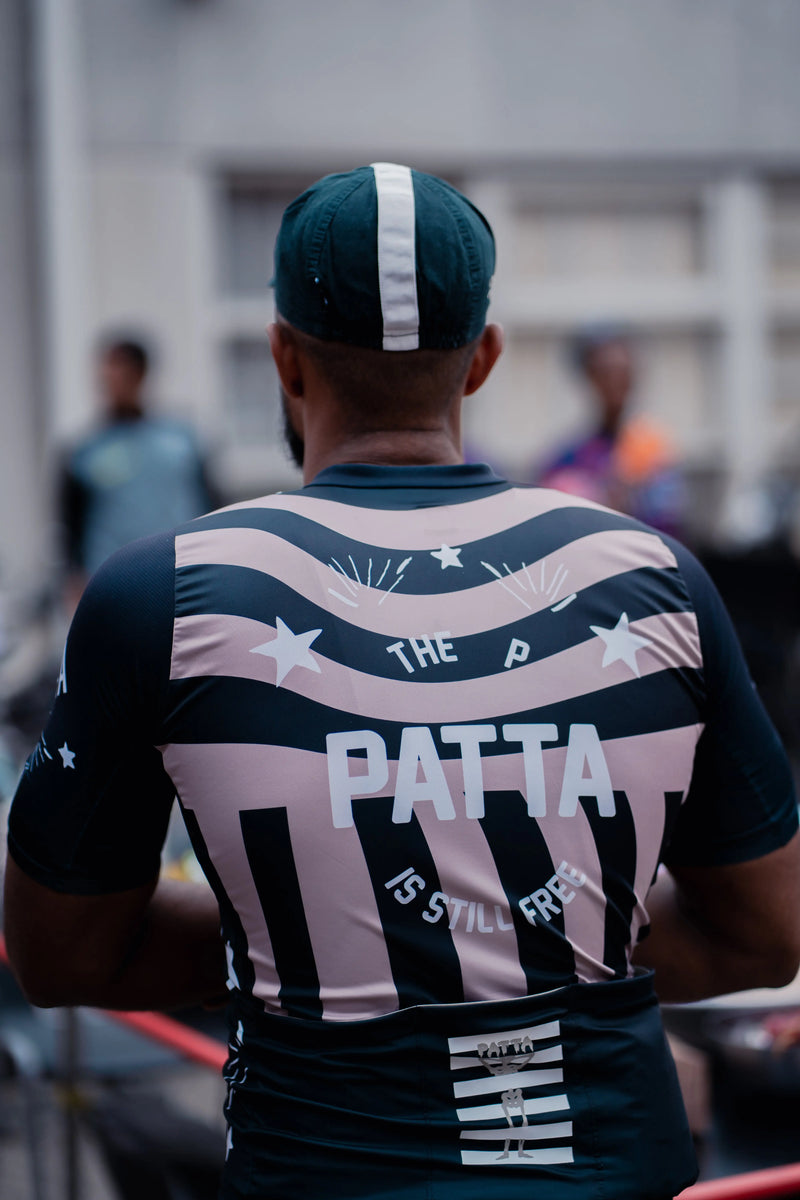
    Photography by Filippo and Angus FraserLast Sunday, we came together for a series of cycling workshops focused on building confidence, skills and community on two wheels. With little to no previous experience needed, participants worked on group riding, on-bike agility and cornering techniques, learning together and supporting one another throughout the session. More importantly, everyone brought plenty of energy and smiles along the way.A huge thank you to everyone who came through, whether you joined the workshop or helped make the day happen. We hope this is only the beginning, and we look forward to seeing everyone back on the bike for a future ride. Special thanks to Streetwise Cycle Team and De Regenboog Groep for sharing the vision and helping bring the workshops to life.
    • Patta Cycling

    • What Went Down

  • Luca Durán & Kelman Duran - Lejanía feat. Gavsborg Patta

    Luca Durán & Kelman Duran - Lejanía feat. Gavsborg

    Luca Durán links with Kelman Duran and Gavsborg for “Lejanía,” the lead single from his forthcoming album, Killing Mariposas, arriving via TraTraTrax. Following a string of appearances on the label, Killing Mariposas marks Luca Durán’s first full-length studio album for TraTra. Drawing from the contradictions and connections of the diasporic experience, the record brings rhythm-heavy club forms into contact with the experimental textures of Durán’s European musical education. Field recordings, acoustic instrumentation and analogue synthesis sit alongside forward-thinking production, moving between moments of contemplation and outright euphoria. Across the album, traces of cumbia, reggaetón and dembow emerge through fragmented, memory-like electronics, with collaborators including Kelman Duran, Gavsborg, Iceboy_Violet, Debit, Rosa Pistola, BÉBE YANA, Kamohelo, kacha and SAM-E helping expand its world.Watch the music video for “Lejanía” by Luca Durán & Kelman Duran featuring Gavsborg now.
    • Music

  • Farhid “Fats” Shariff - Allow Me To (Re)Introduce Myself Patta

    Farhid “Fats” Shariff - Allow Me To (Re)Introduce Myself

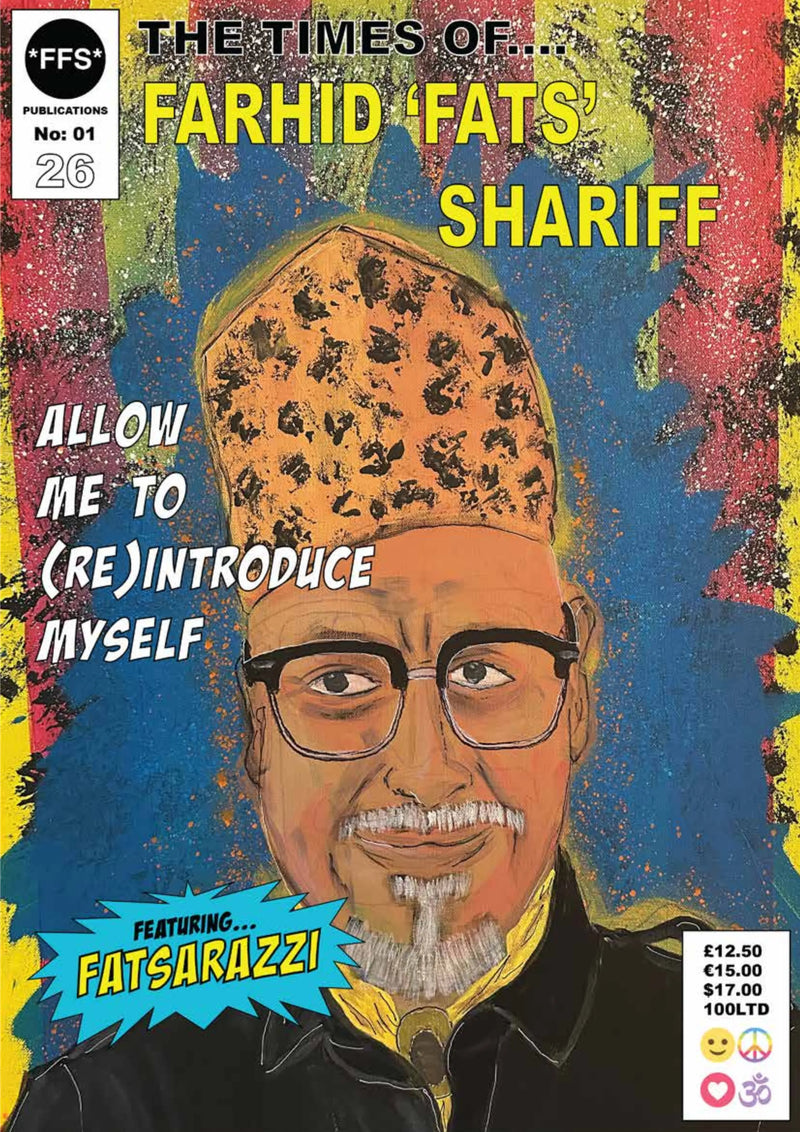
    Farhid “Fats” Shariff has spent years moving between worlds: clothing, product, people, storytelling and photography. Many will know him as FATSARAZZI, the photographer behind countless portraits, moments and cultural snapshots. This September, Fats opens the door to another side of his creative practice with Allow Me To (Re)Introduce Myself.Presented across two exhibitions in Hertford and London, the show brings together 38 works spanning art and photography, tracing the ideas, influences and experiences that have shaped Fats over the years.Photography taught him patience, timing, perspective and the importance of paying attention. His art offers a different kind of release. Through abstract works he describes as “Mindscapes,” alongside pieces inspired by personal heroes and experiments with different mediums, Fats explores ideas that are not always easily put into words.Rather than separating these disciplines, Allow Me To (Re)Introduce Myself presents them as parts of the same creative instinct.“I am not a photographer who paints, or an artist who takes photographs. I am a creative person. Someone who has always felt the need to make things.”Some of the works are new, while others have been sitting quietly for years. Together they create a nonlinear portrait told through people, expression, memory, movement and life.Each exhibition will feature a different selection of work, while the complete collection will be brought together in The Times of Farhid Fats Shariff, the first in a new series of zines from Fats, available at both shows.Part One — HertfordSeptember 11–20, 202609:00–17:00 dailyOpening: September 11, 20:00 until lateBrothership Studio14 Bull PlainHertford SG14 1DPart Two — LondonSeptember 25–27, 202611:00–17:00 Saturday & SundayOpening: September 25, 19:00 until lateStudioseven W10Studio 7, Buspace StudiosConlan StreetLondon W10 5APTo attend, RSVP via farhid@farhidfatsshariff.com and let the team know which exhibition you will be visiting.Whether you already know Fats through his photography and the many chapters that came before, or you are encountering his work for the first time, consider this an invitation to look again.Allow Farhid “Fats” Shariff to (re)introduce himself.
    • Art

    • Events

  • Sister Nancy at Skatecafe Patta

    Sister Nancy at Skatecafe

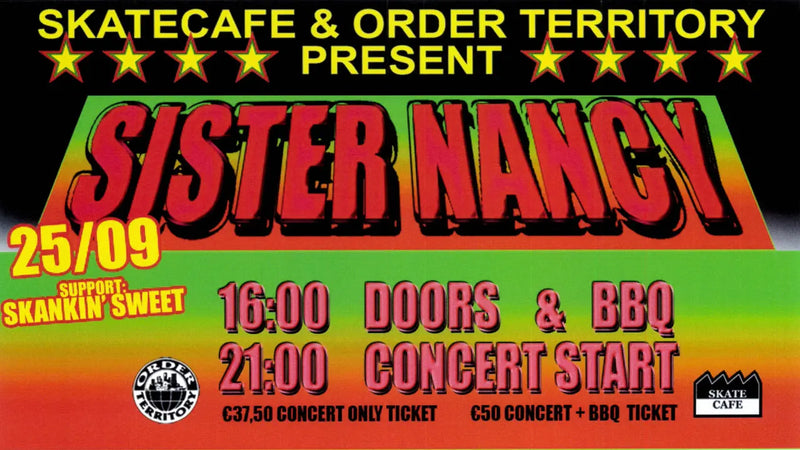
    On September 25th, the legendary Sister Nancy comes to Skatecafe for a special live show, with live support by Skankin Sweet. A true pioneer of dancehall and reggae, Sister Nancy has been shaping soundsystem culture for decades. Best known for the iconic “Bam Bam”, her influence reaches far beyond Jamaica and continues to be heard across dancefloors around the world today. Want to make a full evening out of it? There’s also a ticket option that includes BBQ before the show.After the live show, we continue into the night with a full clubnight across all three rooms, together with Order Territory. Expect a stacked line-up moving through reggae, dancehall and Caribbean sounds into hip hop, Afro-electronic, heavy bass and club music. Your Sister Nancy ticket includes access to the clubnight, so stick around after the show and continue with us into the night.Tickets available now
    • Events

    • Music

  • Shaniqwa Jarvis - Rest Assured, Progress Is Being Made Patta

    Shaniqwa Jarvis - Rest Assured, Progress Is Being Made

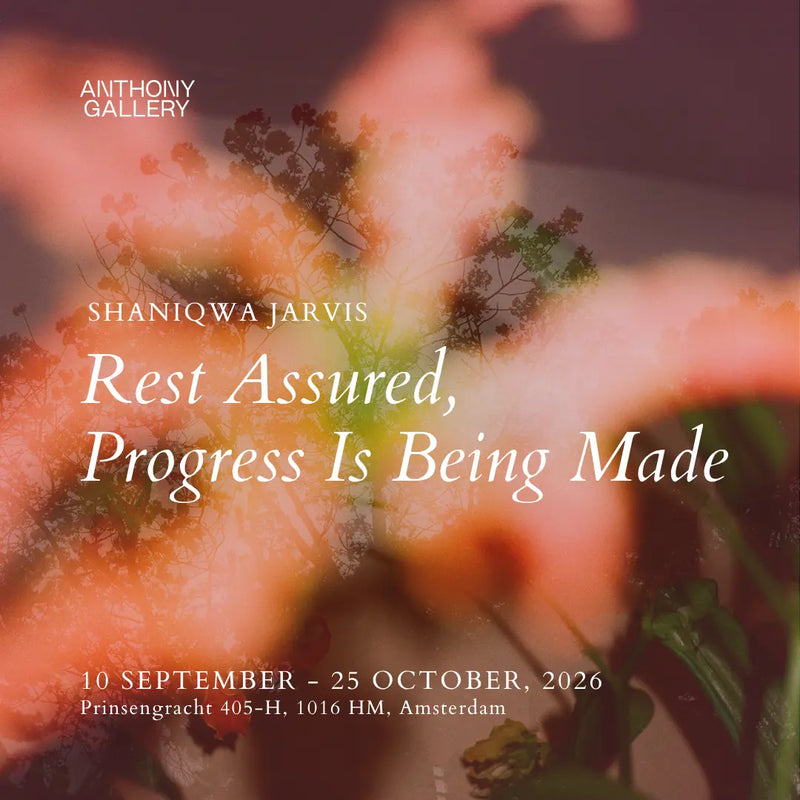
    Anthony Gallery welcomes Shaniqwa Jarvis to Amsterdam for Rest Assured, Progress Is Being Made, a new solo exhibition opening on Thursday, September 10.Bringing together photography, painting, collage, childhood images, damaged negatives, book proofs and newly created works, the exhibition traces different moments from across Jarvis’ life and practice. Rather than treating the past as something to leave behind, Jarvis returns to earlier images and ideas, reworking them and allowing new meanings to emerge over time.At the heart of Rest Assured Progress Is Being Made is a question around what progress actually looks like. Does moving forward always mean making something new, or can growth also come through revisiting what was already there?Across the exhibition, photographs are layered, painted over and transferred onto new surfaces, while mirrored works and suspended materials ask viewers to move around them and reconsider what can be seen from different perspectives. The result is a body of work that feels cumulative rather than linear, connecting Jarvis’ editorial photography, fine art practice and memories across decades.Founded by Isimeme “Easy” Otabor, Anthony Gallery recently expanded from Chicago to Amsterdam, continuing its commitment to presenting contemporary artists and creating new connections between creative communities.Join us for the opening reception and experience the exhibition in person on Thursday, September 10, 2026 from 18:00 to 20:00 at Anthony Gallery Amsterdam, Prinsengracht 405-H, RSVP here. The exhibition runs through October 25, 2026 and is free and open to the public.
    • Art

    • Events

  • Pertrelli Purple, Morriarchi - clean slate Patta

    Pertrelli Purple, Morriarchi - clean slate

    Pertrelli Purple links with producer Morriarchi for “clean slate,” a laid-back cut built around warm piano loops and drums that still carry a proper knock. The track balances an easy, reflective feel with the weight you’d expect from Morriarchi’s production, giving Pertrelli plenty of space to move across the beat. The accompanying video, filmed by allweseeisglue, Azizi Cole and Luka, keeps things equally understated. Watch the music video for “clean slate” now. ‘light on my feet’ is Out 28th August via Group BraCil.
    • Music

  • Get Familiar: Blah Records Patta

    Get Familiar: Blah Records

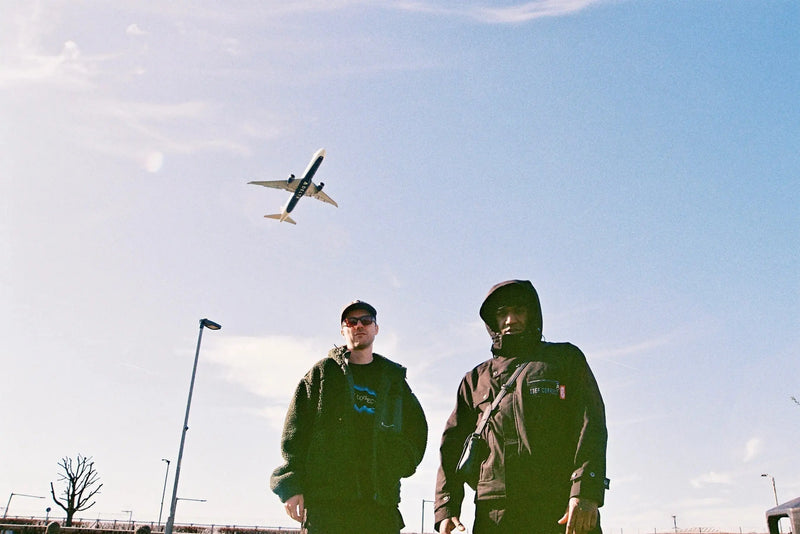
    Words by Passion DEEZ | Phootgraphy by Lyza JaneFor nearly twenty years, Blah Records has quietly been proving that there is another way to build a career in music. Not through major labels, algorithm-friendly singles or carefully engineered moments of virality, but through something far less glamorous: consistency. While much of the industry has spent the past two decades chasing the next platform, the next trend or the next shortcut to visibility, the collective has done the opposite. They've built slowly, deliberately and almost entirely on their own terms. That wasn't the plan.When Lee Scott started releasing music in the mid-2000s, streaming platforms didn't exist. Social media wasn't a career strategy and "independent artist" hadn't yet become a marketing slogan. If you wanted people to hear your music, you either convinced someone else to release it or you figured out how to do it yourself. Blah Records was born out of the second option.Long before the label became one of the defining names in British underground rap, Scott and his friends were burning CDs at home, selling them through MySpace and posting them out one order at a time. There was no business model, no investment and certainly no ambition to build an institution. Every milestone that followed was simply the solution to whatever problem lay in front of them.Need more CDs? Get them replicated. Need distribution? Start a label. Need somewhere to perform? Book the show yourself. Need a scene? Build one.Looking back, it's easy to mistake that progression for careful planning. Spend enough time talking to Lee Scott and Black Josh, however, and another picture emerges. Blah wasn't built around some master strategy. It was built through momentum. Every decision led naturally to the next until, almost without noticing, they had created an ecosystem that could survive without asking anyone else for permission.Today that ecosystem stretches far beyond a record label. Blah has become home to one of British rap's most distinctive communities, producing solo records, collaborative projects, Cult of the Damned releases and an audience that has remained fiercely loyal despite existing almost entirely outside the machinery of the mainstream music industry. In an era increasingly dominated by playlists, engagement metrics and fleeting internet fame, that longevity feels almost radical.Fresh from an independently organised Australian tour and preparing to release their collaborative album It Made Sense at the Time, Scott and Josh aren't interested in celebrating survival for survival's sake. They're far more interested in whatever comes next. The conversation moves effortlessly between British rap's formative years, regional identity, creative discipline, disastrous tours and the peculiar satisfaction that comes from solving your own problems. Throughout it all, one idea keeps resurfacing. Blah never waited for an industry to believe in them. They built their own.Ask Lee Scott how Blah Records began and he almost sounds amused that anyone would imagine there was a grand design behind it. "There wasn't some master plan," he says. "We just needed somewhere to put our music out."It's an answer that immediately dismantles nearly twenty years of mythology. Blah has become one of British rap's defining independent institutions, but its origins were almost laughably ordinary. Before the label existed, Scott and his friends were already operating under the Anti-Heroes banner, recording mixtapes, burning CDs at home and selling them directly through MySpace. Every sale arrived through a tiny PayPal button embedded on a profile page. When somebody placed an order, another disc was burned, packaged by hand and taken to the post office."It was DIY before people even called it DIY," Scott recalls. Eventually the limitations of that approach became impossible to ignore. Burning individual CDs wasn't sustainable, so the group ordered a thousand professionally replicated copies. Suddenly they had boxes of records stacked around them and no way of getting those records into shops."The next logical step was distribution," Scott says. "Then the next logical step after that was creating a record label." That practical way of thinking has remained remarkably consistent throughout Blah's existence. Every obstacle simply became another task to solve. When their friend Alex — better known as Swiss — moved back to Switzerland after handling much of the label's early administration, Scott reluctantly found himself responsible for the business side too. "If you've met me," he laughs, "you'll know administration probably isn't where my strengths lie." Even so, the work got done.Looking back, Scott doesn't romanticise those early years. He doesn't describe them as visionary or revolutionary. Instead, he talks about them with the matter-of-fact tone of somebody fixing one leaking pipe after another. That mindset, more than any business strategy, would eventually define Blah Records. Because independence, for them, was never an identity. It was simply the only option.The story of Blah Records is often told through releases, tours and milestones, but Scott insists those things arrived much later. Before there was a label, there was simply a group of friends making music together because they enjoyed each other's company."The original crew was me, Salar, Bill Shakes and Tony Broke," he says. "I'd known some of those people since I was sixteen. Before there were labels or tours, we were just hanging around."As the years passed, that circle naturally expanded. Friends from London became collaborators. Manchester, Blackburn and Liverpool slowly blurred into one community. The geography changed, but the logic never did. Relationships came first. Music followed. That's perhaps why Blah has always felt different from a conventional record label. It doesn't operate like a roster assembled by A&R executives searching for complementary artists. It feels more like a constantly evolving friendship group whose members happen to make records together."When people describe Blah as a company, it always sounds a bit strange," Scott says. "Everyone on the label is someone I'd happily spend time with whether music existed or not."That chemistry explains why the catalogue is filled with collaborations that never feel manufactured. Duo records, posse cuts and one-off projects emerge organically because the artists already share the same spaces. They're in the studio together, travelling together or simply spending weekends together."If you're already sitting in the same room with your mates," Scott shrugs, "eventually somebody says, 'Let's make a tune.'"It's an understated observation, but one that reveals something fundamental about Blah's longevity. The label was never sustained by contracts or commercial obligations. It was sustained by genuine relationships. Long before "community" became one of the music industry's favourite buzzwords, Blah had accidentally built one.That sense of community extends beyond the artists themselves. Fans don't simply consume the music; they participate in the world around it. Shows feel less like isolated performances than reunions. Faces become familiar. New listeners are introduced by old ones. Records are bought not because they're being pushed by an algorithm but because people genuinely want to support the artists making them.It's a slower kind of growth, but one that's proved remarkably resilient. For listeners discovering Blah today, it's easy to forget just how unusual British rap once sounded. Or perhaps more accurately, how unusual it didn't. "When I first started recording," Scott says, "I was doing an American accent."He laughs as he says it, but the admission reflects a much broader moment in British hip-hop history. Throughout the late nineties and early 2000s, many UK rappers borrowed not only the sound but the cadence and pronunciation of the American artists they'd grown up listening to. Regional British accents were often viewed as obstacles rather than identities.Scott didn't think he was pretending to be someone else. He simply hadn't heard an alternative. "I'd literally never heard anybody from where I came from rapping," he says. "I wasn't trying to copy anyone. I was just imitating the music I loved." The turning point came through an unexpectedly simple question. Somebody older asked him why he was rapping in an American accent. "It sounds ridiculous now," he says, "but I'd never even considered there was another option."The internet was still fragmented. Music discovery relied on word of mouth, independent record shops and whatever happened to circulate through local scenes. Liverpool wasn't necessarily listening to London. Manchester wasn't constantly aware of what was happening in Glasgow or Bristol. Regional scenes often developed in parallel rather than together. "You had to actually go and find music," Scott remembers. "People forget that. You weren't endlessly scrolling."As British rap slowly became more confident in its own identity, artists across the country began embracing the voices they'd previously tried to suppress. Looking back, Scott describes hearing those records for the first time as strangely unfamiliar. "I'd spent so long listening to American hip-hop that hearing British accents almost sounded weird."Today, that idea feels almost impossible to imagine. Black Josh belongs to the generation that inherited that shift rather than initiating it. "For me, hearing Children of the Damned was massive," he says. "Those were actual regional accents. Not fake American voices. Just people sounding like where they were from." Around the same time, grime was making a similar argument from London. "When Dizzee Rascal came through, nobody thought he sounded American," Josh says. "He sounded exactly like London."For him, hearing Mancunian voices carry the same confidence was equally significant. It demonstrated that authenticity wasn't something to be polished away. Your accent wasn't a limitation. It was part of the music itself. That evolution mirrored Blah's wider philosophy. Just as they refused to imitate the industry's business model, they also refused to imitate someone else's identity. Instead of asking how close they could get to American rap, they asked a different question altogether. What would this sound like if it could only have come from here?The word independent has become one of the music industry's favourite buzzwords. It's applied so liberally that it has almost lost its meaning. Artists backed by distribution companies, management agencies and major-label funding routinely describe themselves as independent, often because they technically own their masters.Lee Scott has never been particularly interested in the distinction. "I don't think we ever called it a philosophy," he says. "It was just survival." That difference is important.Blah wasn't founded because its members rejected the music industry. It was founded because, at least in those early years, the industry simply wasn't paying attention. There was no queue of labels waiting to sign them, no established touring circuit for the kind of music they were making and no blueprint for building a career from regional underground rap. Rather than waiting for those opportunities to appear, they created their own."If nobody wanted to release the record, we'd release it ourselves," Scott says matter-of-factly. "If nobody booked us, we'd book our own shows. If nobody wanted to distribute it, we'd figure that out as well."Looking back, it's tempting to describe those decisions as visionary, but Scott refuses to romanticise them. Every milestone emerged from necessity rather than ambition. Every solution created another possibility."I think people assume we've always had this machine behind us," he says. "But every stage has been built from the previous one. You don't suddenly wake up with a functioning label, an audience and touring infrastructure. You spend years solving one problem after another until eventually you realise you've accidentally built an ecosystem."That ecosystem has become Blah's greatest achievement. Long before artists were talking about direct-to-fan relationships, Blah were cultivating one. They weren't simply releasing records. They were creating an audience that felt personally invested in everything surrounding the label. Shows became meeting points. Collaborations happened naturally because the artists already occupied the same spaces. Every release strengthened the world around it instead of existing as a standalone product.The result is a model that feels increasingly unusual in an age dominated by short attention spans. Rather than chasing as many listeners as possible, Blah focused on building deeper relationships with the ones they already had. Scott has little interest in viral success. "I'd much rather have a thousand people who genuinely care than a million people who watched something for fifteen seconds because an algorithm showed it to them."To him, longevity has always been a far more meaningful measure than visibility. "A career is people buying your records ten years later. It's somebody travelling across Europe to see you perform. It's fans introducing your music to their kids."Streaming numbers rarely tell that story. "If people are buying vinyl, buying merch and coming to shows," he says, "that's a community." Black Josh has seen that difference firsthand every time the pair step on stage. "Our crowds aren't there because one song blew up six weeks ago," he says. "A lot of them have been listening for years. They know album tracks. They know lyrics that were never singles. Some of them have literally grown up with us." He pauses before smiling. "That's worth way more than a number on a screen."That same practicality extends into Blah's creative process. The label's distinctive visual language — grainy music videos, surreal artwork and unmistakably DIY aesthetics — has become part of its identity, but Scott insists very little of it was ever planned.People often assume the rough edges are deliberate, an aesthetic statement designed to separate Blah from polished commercial rap. In reality, they were usually the product of limited budgets, available time and whoever happened to own a camera."Sometimes we'd literally wake up and decide to shoot a video that afternoon," Scott says. "You'd ring a mate, drive somewhere, film it, edit it... done."That approach eventually became a philosophy in its own right. "People read all sorts of meaning into it," he laughs. "Honestly, we just wanted to get things made." Perfection has never interested him as much as momentum. "I'd rather finish something that's eighty or ninety percent there than spend two years chasing perfection and never release anything."It's a lesson he's applied across almost every part of his creative life. Songs, artwork, videos — eventually everything reaches the same point where further refinement begins stripping away the spontaneity that made it compelling in the first place."Sometimes the first version captures something the twentieth one doesn't," he says. "You've got to know when to stop." That instinct has also shaped projects like Cult of the Damned, a collective that has become almost mythical within British underground rap. While fans often speak about it as though it were carefully curated, Scott remembers something much looser."There wasn't loads of planning," he says. "It was more like, 'Who's about today?'" The chemistry came from unpredictability. Throw eight or nine entirely different rappers into the same room and nobody knew what would happen next. "You could hear people enjoying themselves," he says. "I think listeners can tell when that's genuine." For Black Josh, that unpredictability also created a healthy sense of competition. "If you're on a track with six other rappers," he laughs, "you definitely don't want to have the weakest verse." Nobody coasted. Everybody pushed each other. Without anyone saying it out loud, the standard kept getting higher.For a label approaching its twentieth anniversary, Blah spends remarkably little time looking backwards. The Australian tour is a perfect example. From the outside, it looked like another milestone for a collective that has steadily expanded its reach without compromising its identity. Behind the scenes, however, it nearly collapsed before it began."Everything that could go wrong basically did," Scott says. "People disappeared. Plans changed. Money vanished." At one point, the tour looked beyond saving. Most artists would've cancelled. Scott admits they probably should have. Instead, they did what Blah has always done. They solved the next problem."I think we ended up spending something like twenty-five grand in the space of a week just to keep everything alive," he recalls. "It was terrifying. But once we'd committed, there wasn't really another option. You either lose everything or you make it work." Eventually, they made it work. Black Josh laughs at how differently those moments are remembered by everyone else. "People only see the photos afterwards," he says. "They see sold-out rooms, happy faces, everyone smiling. They don't see the weeks beforehand where you're wondering whether you've just made the worst financial decision of your life." He shrugs. "That's touring when you're doing it yourself."It's a story that feels strangely representative of Blah as a whole. The audience sees the finished record, the packed venue or the sold-out vinyl pressing. What they rarely see are the years of incremental problem-solving that made those moments possible in the first place. That same philosophy continues to shape the music itself.Despite the longevity of the label, neither Scott nor Josh speaks like someone preserving a legacy. The new collaborative album, It Made Sense at the Time, isn't presented as the culmination of twenty years' work, but simply the latest chapter in an ongoing conversation they've been having for most of their adult lives."If it ever started feeling like a job," Josh says, "I'd probably lose interest." Touring is work. Running a label is work. Answering emails is certainly work. Making music, however, remains something else entirely. "That's still the fun bit," he says. "That's still me and Lee sitting in a room making each other laugh."Scott's process hasn't changed much either. Ideas still arrive unexpectedly—sometimes while he's asleep. "I'll literally wake up with a line in my head," he says. "If I don't write it down immediately, it's gone forever." His phone is filled with half-asleep voice notes recorded in the middle of the night. Some become songs. Others make no sense whatsoever. "I'll listen back a week later and think, 'Actually... that's not bad.' Or I'll think, 'What on earth was I talking about?'" He laughs. "Either way, that's always been my process." The instinct to trust the first idea, to keep moving and to resist overthinking, extends beyond songwriting. Scott has never been interested in endlessly polishing creative work for the sake of perfection. "Sometimes the first version captures something the twentieth one doesn't," he says. "You've got to know when to stop."It's advice that feels increasingly relevant in a music industry obsessed with optimisation. Artists are encouraged to chase trends, feed algorithms and treat every platform as though it might determine the course of their careers. Scott sees that as a dangerous way to think."Don't build your career around something you don't control," he says. "Algorithms change. Platforms disappear." The things that actually endure, he argues, are much simpler. "The work. Your audience. Your reputation." Everything else comes and goes. Josh agrees."The quickest way to make yourself miserable is comparing yourself to everyone else," he says. "Somebody will always have more followers. Somebody will always have bigger numbers. That doesn't mean they're making better music."For both of them, curiosity remains a far stronger motivator than recognition. "I've never really been interested in proving people wrong," Scott says. "I'm much more interested in proving to myself that I can still make something exciting."Every record, he believes, should surprise him. "If I already know exactly how it's going to sound before I make it, then what's the point?" Josh nods. "I don't really think in terms of legacy," he says. "People talk about legacy when they're looking backwards." He smiles. "We're still looking forwards."Nearly twenty years after its founding, Blah Records remains one of the rare examples of independence that extends beyond ownership. It isn't simply a label operating outside the mainstream; it's an ecosystem built through patience, friendship and an unwavering belief that if something doesn't exist, you can create it yourself. Every record, every tour and every collaboration has been another step in a process that was never meticulously planned, only continually refined.Blah never set out to become a blueprint for independent music. Lee Scott and Black Josh simply kept making the next record, booking the next tour and solving the next problem in front of them. Looking back, that's exactly what made them one.
    • Get Familiar

  • What went down at the Free The Youth x Jordan launch Patta

    What went down at the Free The Youth x Jordan launch

    Photography by Sandra NagelRecently, we welcomed Ghana’s Free The Youth to Patta London to celebrate the launch of their landmark collaboration with Jordan Brand. The Accra-based collective continues to push Ghanaian creativity onto the global stage, becoming the first Ghanaian brand to collaborate with Jordan Brand and bringing their own perspective, community and culture to one of footwear’s most iconic names. Friends and family came through the London Chapter to celebrate the release, with music, good energy and drinks provided by our friends at Mirchi. Big love to everyone who joined us, and congratulations to Free The Youth on a major moment for Ghanaian streetwear.
    • What Went Down

  • Benny Sings - You Love Me Patta

    Benny Sings - You Love Me

    Benny Sings returns with “You Love Me,” a tender new single taken from his forthcoming album 22 Durnham Dew, out September 25 via Stones Throw / Sings Records. A love duet sung with his wife, Joline van Berkestijn, the track finds Benny turning everyday moments into something warm and deeply personal. Accompanying the release is a self-directed music video filmed in Paris, extending the song’s intimate feel through a simple, understated visual. Watch the music video for “You Love Me” now.
    • Music

Error