Skip to content

News

  • Get Familiar: Charity Charly Patta

    Get Familiar: Charity Charly

    Interview by Liesje Verhave | Photography by Brunei DeneumostierIn her directorial debut, Tra Fasi (2026), filmmaker Charity Charly steps into Suriname’s underground punk scene through the story of Shavero Ferrier. Shavero, a young cultural organiser, creates space for punk parties and self-expression in a society that often leans toward conformity. Charly, with a multidisciplinary background in film from camerawork and styling to set design, brings a personal and multifocal lens to her work.  Driven by a desire to reveal overlooked experiences and challenge dominant narratives. We spoke with her about her first steps into filmmaking, the making of Tra Fasi, and her vision for the visual stories still to be told. You’re quite a multidisciplinary creative. How did your journey from camerawoman to director, and this “jack-of-all-trades” path, begin?My journey started as a videographer. I worked at BNNVARA, where I was directing, editing, and doing camera work all at once for their YouTube platform. I always felt that I was good at what I was doing, but something felt a bit off. I just wanted to direct. I had so many stories in my head, and I just wanted to focus on directing only. So that is where my dream of becoming a director started. To make a film, I knew I needed experience on set, so I started as a production coordinator. Then I moved into costume styling, and after that into set dressing. After doing all of that, I finally had the courage to direct my own film. Tra Fasi is really the start of my directing journey, although I’ve been working in film for about four years now.So you tried out every possible role in the film industry first before directing?Exactly. But I always felt the urge to direct. Even when I was on set watching directors, I would think, “I would do this differently, or I would do that.” That feeling was always there.Do you think working in all those roles informs how you direct now?Yeah, definitely. All the departments I’ve worked in have helped me develop a clearer vision of what I want to see on screen.What first drew you to visual storytelling like film and visual art?I was always obsessed with films. I could watch the same movie eight times in a row and memorize the whole script. I would perform it and make my brother play the other roles with me.I also used to ask my mom to sign me up as an extra in films. But when I was on set, I wasn’t focused on being an extra; I was watching the crew. I was always distracted by how everything worked behind the scenes. Somehow, I always knew I wanted to make films. Even as a kid, I used to say my name would be in the credits one day.Are there any films you remember from that time?Yeah, Like Mike with Lil’ Bow Wow. That was one of my favorites. I knew it by heart and used to act it out with my brother while playing basketball.You’re largely self-taught. What challenges came with that?I used to study media studies, but didn’t finish. I ended up going to university for media and culture, but left after seven months. I was bored. I thought, “Do I really need to know this to work on sets?” So I was like, let me find out how I can do this on my own. The biggest challenge was insecurity. You hear a lot about people who went to film school and, after that, their careers just get a major boost. I struggled with representation. Not seeing people who look like me doing this work, there were times I felt like I didn’t belong.I remember wanting to become an actress and getting through the first round of auditions, but I got so insecure that I didn’t go to the second round. I started doubting whether there would even be roles for someone like me.But once I knew I wanted to direct, things started falling into place. I was very open about what I wanted to do, wrote scripts, and connected with people. I was really curious, and at some point, I just stopped letting rejection discourage me. Even though I heard a lot of no, I kept going. For me, this was a big milestone because this is what I wanted to do. Are there other art forms you still want to explore?Definitely, it’s actually funny because I never thought I’d make a documentary; it just happened. I’m still very obsessed with fictional stories and the way you can portray them. I would love to explore that more.I also acted on screen for the first time last year and really liked it, so I want to develop that further. And I make resin art, I love working with my hands. That’s something I’ll keep developing as well.Is the resin work more of a hobby or something you want to build professionally?It started as a hobby. Also, funny story, I made ashtrays and posted them on Instagram, and people wanted to buy them even though I wasn’t selling them yet. That made me realize I could turn it into something more. Now I make custom pieces for customers.How did the story of Tra Fasi come together? How did you meet Shavero?It started with the idea of making a documentary about Black punkers in the Netherlands. But I found that there were already projects about that.Then I realized I was going to Suriname soon and got curious about punk there. I started researching and discovered it actually existed. I found an article about Shavero and his band Mutha Flac, and something about him really stood out to me.I started following him on Instagram and noticed this whole alternative scene. I was like, “How did I not know this existed? I go to Suriname every year and never see this.”I messaged him, and he responded quickly. We had a call, and at first I planned to make a documentary about multiple bands, but none of them interested me as much as Shavero. So I told him I wanted to focus on him, and he said, “That’s dope, I’ll organize an event when you’re here.” So I was like, “Okay, let’s go. I’ll capture that.”That’s how it started. Once I got to Suriname, everything shifted. I had a plan, but after the first day, I realized I had to let go of it. The environment, the heat, not being able to film before 3 or 4 - it all required a different approach. I just went with the flow.What stood out to you about that scene?The energy. Because events aren’t as frequent there, people really go all out. The love and intensity are on another level. It’s a completely different energy.You also brought Shavero to the Netherlands. How was that experience?It wasn’t even the plan at first to do a tour here. My DOP Nadine Haselier and I just wanted to bring him here so he could connect with people. He does so much for the community, so we just wanted to do something for him. We started crowdfunding, and it gained so much attention that venues wanted him to perform.Seeing him perform here was emotional. The Garage Noord concert was crazy. I crowd surfed for the first time in my life. Watching his dream come true and seeing how people responded to him and his sound, it was special. It felt like two worlds colliding. The film centers on self-expression in a conformist society. How did you approach that visually?I didn’t overthink it. I used strong visuals of Suriname and contrasted that with Shavero’s self-expression. The editing style is very DIY. The whole film just screams self-expression.Did anything about the experience in Suriname change you?Completely. It changed how I see Suriname. I didn’t expect that scene to be there, and I felt both surprised and a bit guilty for thinking it didn’t exist there.Seeing people who look like me and share the same mindset, the same attitude in life, was such a beautiful enlightenment. But at the same time, I realized how much harder it is to express yourself there compared to here. I will still get that job even though I dye my eyebrows blonde; there, you have to be ten times bolder to be yourself.That experience really shifted my perspective and deepened my connection to my motherland.You’re working on a new project now. How are you approaching it differently?With every project, you learn and want to do things differently. I always try to give something nostalgic and to surprise people, to make people think differently about stereotypes and question themselves.  I’m currently working on a new film about the gabber/hardcore scene in the Netherlands, focusing on black youth within that scene.It’s a similar niche approach, highlighting something we haven’t really seen.What drew you to that scene?I don’t even listen to hardcore, and that’s what makes it interesting to me. I’m curious about what draws people to that scene. Hardcore never dies!I started researching and found a whole bunch of young black kids going hard to this music. Even though I don’t like the music, seeing them loving it so much fascinates me. I’m going to a hardcore party soon to experience it firsthand.What perspective do you want to bring to that story?I want to show it from the perspective of people of color, especially women. Most of what we’ve seen before is from a very white, male perspective. I want to do the complete opposite.For me, the reason to make something is simple: if we haven’t seen it yet, that’s exactly why it needs to be made.What can people expect from the upcoming Tra Fasi screenings?A good film and a new, refreshing perspective on Suriname! At the Melkweg, I’ll also be doing a Q&A, chit-chat about the movie and the process. I’m really excited to talk to people also afterwards. Upcoming Screenings: 4/04 Melkweg24/04 Paard Den Haag10/05 Humans of Film Festival22/05 Plantage Dok Amsterdam5/07 Down The Rabbit Hole
    • Film & Documentaries

    • Get Familiar

  • Get Familiar: Thaniel Owusu Agyemang - Patta

    Get Familiar: Thaniel Owusu Agyemang

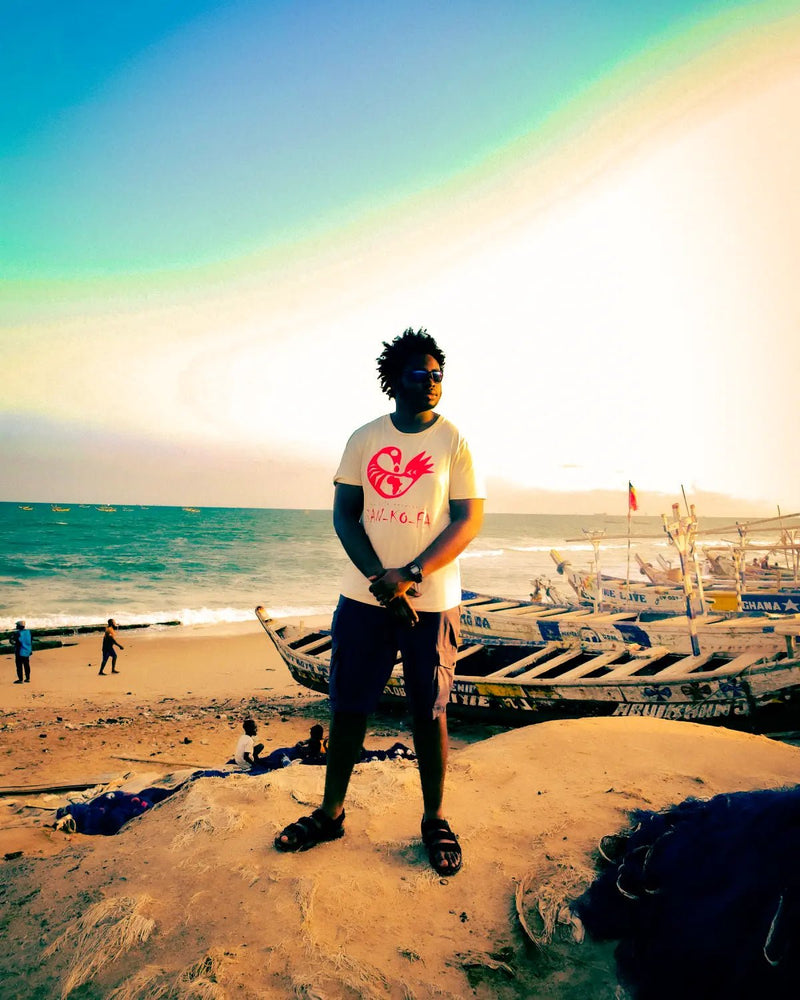
    Interview by Passion Dzenga | Photography by Kala CitéFor filmmaker, photographer, and multidisciplinary artist Thaniel Owusu Agyemang, creativity is about more than just expression - it’s about connection. With Home: Where It All Begins, his first official film release, he takes audiences on a deeply personal journey back to Ghana, exploring themes of heritage, identity, and belonging.Thaniel’s work spans filmmaking, DJing, and photography, allowing him to move fluidly between disciplines while staying rooted in community. He’s got love for all - collaborating with artists and using  the platform Sankofa Archives to create spaces where stories of the African diaspora can thrive.As he gears up for his film screening and the Onyx Vision exhibition at OSCAM, Thaniel invites people to get familiar with his vision - one that’s about archiving, storytelling, and reclaiming narratives through art.    How did you first get into film, and what does it mean to you?Film is a powerful medium of expression. My love for it started in childhood when I watched Nollywood and Ghanaian movies with my parents. I’d always try to predict what would happen next and even create my own plots in my head. Later, as I got into photography, I wanted to bring my photos to life, and film became a way to add new dimensions to my storytelling. You work across multiple disciplines - filmmaking, DJing, photography, and directing. How do these different roles influence each other?Being multidisciplinary allows me to collaborate with a variety of artists and communities. For example, alongside my film event, I’m part of an exhibition, Onyx Vision at OSCAM, featuring artists Lenny Pharrell and Hamilton Chango Harris. Engaging in different mediums broadens my connections, keeps me inspired, and lets me create in different ways.With an exhibition and a film screening happening in the same week, how do you see this film shaping the conversation around your work?This is actually my first official film release. I’ve done short projects before, but nothing on this scale. It marks an important step in my journey, blending all the creative elements I’ve worked with into one larger vision.What inspired the title Home: Where It All Begins?The title reflects my journey of returning to Ghana for the first time. It represents the idea that my journey truly begins now that I have reconnected with my homeland. I want people to feel the importance of returning to their roots, learning from the past, and building for the future. This idea is also tied to the philosophy of Sankofa, which means "return, bring it back"What was the main motivation behind your trip to Ghana?I had always wanted to go back to Ghana, but financial constraints made it difficult. My mother, who has many children, often went alone. When I finally had the opportunity, I decided it was the right time. I wanted my mother to be with me for my first visit, so I paid for her ticket. Later, my friend Ian Bodo, a director of photography, joined me. We started filming spontaneously without planning to make a movie—it just happened organically.Why did you choose to release the film on the same week as Ghana’s Independence Day?It felt symbolic. Ghana’s Independence Day represents freedom and reclaiming identity, which aligns with the film’s theme of reconnecting with one’s roots.What were your expectations before visiting Ghana?My expectations were shaped by stories from my mother and friends, but experiencing it firsthand was completely different. People had always asked if I had ever been to my homeland, and I hadn’t. When I finally went, I realized that stories can only tell so much—you have to feel it yourself.What was the most powerful moment for you during the trip?Seeing an entire space filled with only Black people for the first time in my life. In Europe, I had never experienced that before. It was a profound moment of reflection and belonging. The warmth I felt from the moment I arrived at the airport was overwhelming.How did meeting your family in Ghana impact you?It was deeply emotional. I met many family members for the first time, including my grandmother, whom I hadn’t seen in 15 years. I had talked to my relatives over video calls, but meeting them in person was completely different. You can’t fully understand someone’s presence through a screen—it’s something you have to experience.What was the biggest lesson you learned from your trip?I realized that in Africa, people don’t overthink problems like we do in the West. In Europe, we tend to pile problems on top of problems, but in Ghana, people just go with the flow. They accept that some things are beyond their control and trust in God. This mindset shift was one of the most powerful takeaways for me.What can audiences expect to see in the film?The film captures raw moments of reflection, like me standing in Independence Square in the rain, simply taking in the view. It’s about embracing stillness, something that’s rare in the fast-paced Western world. In Ghana, I felt like I could truly reset and breathe. That’s what I want audiences to experience through the film.How did your trip to Ghana change your sense of identity and connection to your roots?I wouldn’t say I feel more Ghanaian because I already felt Ghanaian. But I do feel more connected to the core—to my great-grandparents, to the land they walked on, and to my ancestors. That deeper connection is what changed for me.Do you see this film as the beginning of a larger project, or is it a standalone adventure?Initially, it was just an adventure I wanted to share with family and friends. I held a small private screening at the Black Activation Month in Amsterdam curated by Bamba Al Mansour, but after that, many people told me it could grow into something bigger—maybe a series or even an exhibition. Right now, I’m still weighing my options, but the message is powerful, and it has the potential to expand in different ways.How does your film differ from other narratives about African heritage and the diaspora?Many African films, like Touki Bouki from 1973, focus on people leaving Africa for Europe. That’s also the story of my parents, so I understand why those narratives exist. But I wanted to do something different—something about going back home and centralizing African countries in the story. The new generation needs to archive our heritage and encourage future generations to return, rather than always seeing Africa as a place to leave.Why is it important to tell stories about returning to Africa, rather than just leaving?Migration stories usually highlight Africans moving to Europe or America, reinforcing the idea that success is found elsewhere. But we also need stories about Afro-Europeans and people in the diaspora going back to Africa - reconnecting with the land, culture, and history. It’s about shifting the narrative and showing that home has value, too.What made this trip particularly special for you?Going with my mother was important because she’s from Ghana, and I wanted to experience it with her first. Then, having my friend join later allowed me to experience Ghana both as a son and as a young man in my early 20s, navigating my own journey. That mix of perspectives made it even more meaningful.Can you tell us about your collaboration with Sankofa Archives and Free the Art? How did it all come together?As the founder of Sankofa Archives, my events always align with building out the archive. My connection with Free the Art happened organically - I’ve known Tim and Berano from Free The Art for a long time. We always talked about supporting each other's projects, and when I did a small, private film screening last October, I wanted to do something bigger. I reached out to Berano about hosting a screening at the Eye Film Museum and expanding it into a full experience. He was on board, and from there, everything came together.Why did you choose the Eye Film Museum as the venue?Growing up, I visited the Eye Film Museum during school trips, and it always inspired me. School wasn’t as creative as I wanted, so these visits felt like an artistic escape. Over time, I kept the idea in my mind that one day, I would screen my film there. Now, it feels like I’m fulfilling a childhood dream.How does the film connect with the exhibition?The exhibition, Onyx Vision by Free The Art, features my photo series Home, which includes pieces made in Ghana. It connects with the film because it visually expresses moments from the film through photography. I took all the pictures myself and some of the pictures from the series also appear in the film. The film is called Home: Where It All Begins, and the photo series is also titled Home. Both capture different aspects of Ghana - the city, the beach, and the people. You often collaborate with Lenny Pharrel. What is it like standing next to your friends in creative spaces?It’s a beautiful moment because we’ve been friends for a long time, and in the beginning, we were both figuring out our paths. Seeing everything come together now feels like a full-circle moment. Exhibiting together in my own neighborhood, Amsterdam Southeast, at OSCAM, alongside Lenny, is really special. We are part of a community - Sankofa Archives - that aligns so well with what we do, so being able to share this moment is incredible.Being able to grow and experience it with friends is a blessing. Creating isn’t just about putting work out into the world - it’s about the act of creating itself. And when you do that alongside your friends, it makes the process even more meaningful. It becomes more of a family affair rather than just work.We've seen Sankofa Archives do their own thing, partner with Patta and provide creative opportunities for people already. What’s next for Sankofa Archives? Sankofa Archives is more of a community platform than a collective. The next goal is to collaborate more while making it clear that it's not just about the people running it - it’s for anyone who has ideas but finds the barriers too high. We want to create opportunities for young and emerging artists.For example, with the Sankofa Archives community, we created an exhibition alongside our film screening to showcase diaspora talent in the Netherlands. Artists like Rarri Jackson, Nora Sofie and Gabriela Akyea, who are incredibly talented but may not always get the platform, are being featured. Our goal is to provide these opportunities through exhibitions, community events, screenings and more.It sounds like you're building something bigger than just an art platform. What’s your long-term vision?Yes, we want to establish a space - both physical and digital - where we archive art, music, film, and culture. We want to document not just the past but also the present, creating an archive for future generations. The next step is expanding our reach, bringing in more people, and forming new connections.If you could take this film and your work anywhere in the world, where would it be?I’m actually traveling to Senegal in March—not for work, but to explore Africa, gather inspiration, and exchange stories. I see a new wave of Afro-European artists reconnecting with their roots, and I want to be part of that. Learning more about where I come from is a big part of my creative journey. My work and my philosophy are deeply rooted in African ways of thinking, and I want to continue developing that perspective.On March 5, the second edition of MovieZone’s: KinoTalk will take place at Eye Filmmuseum, presented by Sankofa Archives and Free The Art. This special edition is led by Thaniel Owusu Agyemang and will feature his film Home: Where It All Begins, a personal account of his journey to Ghana—a deeply meaningful experience that allowed him to explore his identity, connect with his ancestral homeland, and embrace the Sankofa philosophy. Following the film, a panel discussion will take place with Thaniel and other artists, delving into themes of identity, heritage, and cultural connection. To conclude the night, Eye Bar & Restaurant will host a celebratory gathering with drinks and music inspired by the film’s themes. Doors open at 7:15 PM. Admission is free, but registration is required via this RSVP link.
    • Art

    • Film & Documentaries

    • +1

  • Wan Pipel (1976) At Eye Filmmuseum - Patta

    Wan Pipel (1976) At Eye Filmmuseum

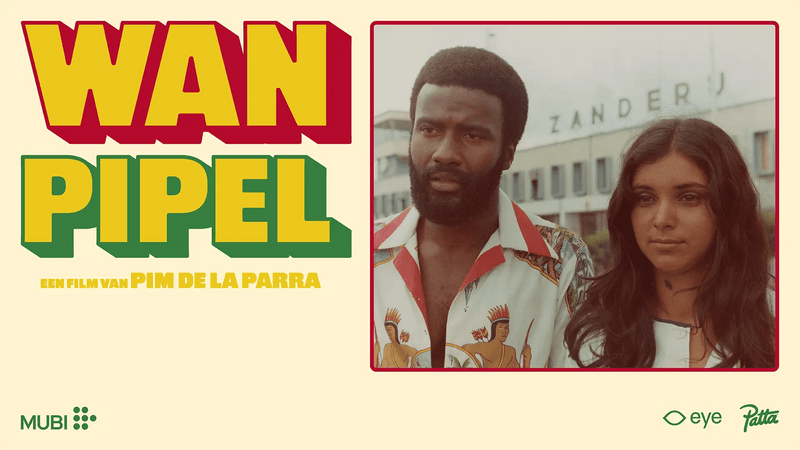
    In honour of the Surinamese Independence Day on November 25, Patta, Eye Filmmuseum and MUBI are coming together to present a screening of the iconic Surinamese-Dutch classic WAN PIPEL (1976) by Pim de la Parra. This special screening includes a video introduction by the director himself. Guests rece
    • Film & Documentaries

  • Jah Shaka Documentary By Arte Vost - Patta

    Jah Shaka Documentary By Arte Vost

    In recent hours, we have found out that UK Soundsystem icon Jah Shaka has passed away. In honour of this mutli-talented selector, deejay, emcee and also known as The Zulu Warrior. here is a clip showcasing the man that was instrumental in his community and beyond.
    • Film & Documentaries

  • Documentary: Kroonjuwelen (2006) - Patta

    Documentary: Kroonjuwelen (2006)

    Kroonjuwelen - Hard Times, Good Times, Better Times is a 2006 documentary film produced and directed by independent Dutch film crew Stunned Film.
    • Film & Documentaries

  • Documentary: Sing Sing Thanksgiving - Patta

    Documentary: Sing Sing Thanksgiving

    B.B. King & Joan Baez and other great artists came to New York's Maximum Security Prison, Sing Sing, and gave one of the best shows of their lives. B.B. called it one of his greatest performances. New York's Daily News called it one of the greatest moments in live entertainment.
    • Film & Documentaries

  • Documentary - Tim & Barry'S "I'M Tryna Tell Ya" - Patta

    Documentary - Tim & Barry'S "I'M Tryna Tell Ya"

    In the spring of 2012 an entourage from DWT went to Chicago to document the Footwork Scene. A scene ingrained in the lineage of the City itself, filled with effervescent dancers, storytellers and beat makers. Featuring key players on the scene, such as DJ Rashad, DJ Spinn, Manny, Traxman and Arpebu.
    • Film & Documentaries

  • Documentary: Patta For Life - Patta

    Documentary: Patta For Life

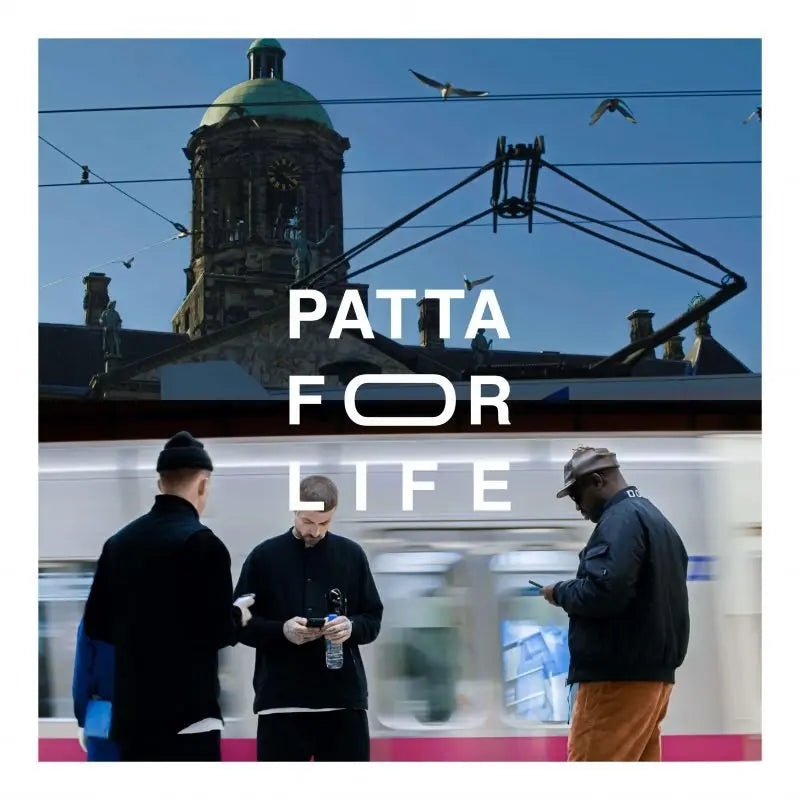
    Goodville drops the Patta documentary 'Patta for Life' on Videoland . This documentary shows how Patta founders Edson Sabajo and Guillaume 'Gee' Schmidt built their Patta empire with the right mindset. Goodville followed the cult-favorite brand for five years, capturing how an obsession for sneakers
    • Film & Documentaries

  • Documentary: The Devil And Daniel Johnston - Patta

    Documentary: The Devil And Daniel Johnston

    • Film & Documentaries

  • Kòrsou – Curaçao - Patta

    Kòrsou – Curaçao

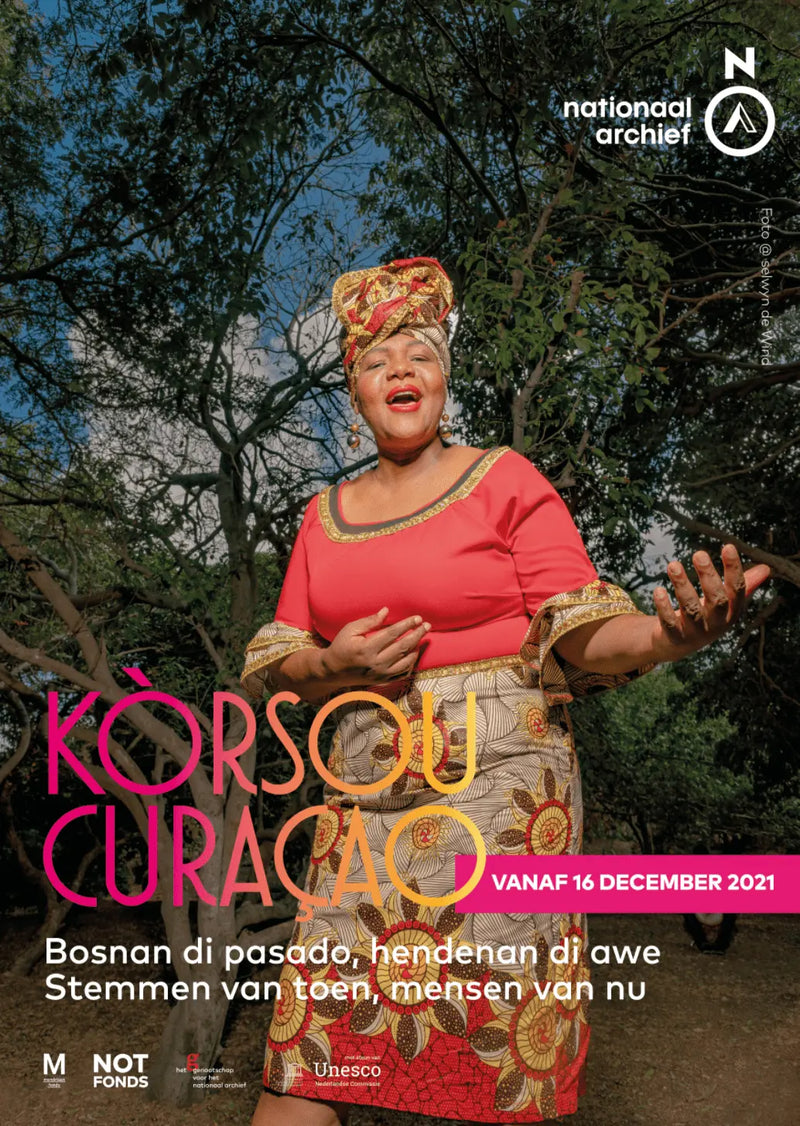
    The National Archives offers a wealth of information about Curaçao and its history. But these documents, photographs and maps often only show the perspective of the old colonial rulers. The Archives’ new exhibition Kòrsou - Curaçao combines these traditional sources with different visions of the isl
    • Film & Documentaries

  • Documentary: Children Of The Night - Patta

    Documentary: Children Of The Night

    The Amsterdam Dance Event (ADE) is the largest electronic music festival in the world. They hoped to celebrate this edition with the grand reopening of nightlife after the lockdown, but due to the restrictions in force, things turn out differently. Yet the electronic scene manages to create somethin
    • Film & Documentaries

  • Documentary: Cherry Bomb The Documentary - Patta

    Documentary: Cherry Bomb The Documentary

    The 43-minute Cherry Bomb: The Documentary is a behind-the-scenes look at the Tyler. The Creator album that features appearances from his buddy A$AP Rocky, Cherry Bomb collaborators Kanye West and Lil Wayne, and Frank Ocean.
    • Film & Documentaries

  • Documentary: The New Sound Of Music (1979) - Patta

    Documentary: The New Sound Of Music (1979)

    The New Sound of Music is a fascinating BBC historical documentary from the year 1979. It charts the development of recorded music from the first barrel organs, pianolas, the phonograph, the magnetic tape recorder and onto the concepts of musique concrete and electronic music development with voltag
    • Film & Documentaries

  • Documentary: Put Blood In The Music - Patta

    Documentary: Put Blood In The Music

    Put Blood in the Music is a unique documentary on the downtown New York music scene. In a collage of music, performance and commentary, Atlas captures the energy and pluralism that characterize this urban milieu. Reflecting the eclecticism of his subject, Atlas re-structures the conventional "talkin
    • Film & Documentaries

  • Dope Is Death - Patta

    Dope Is Death

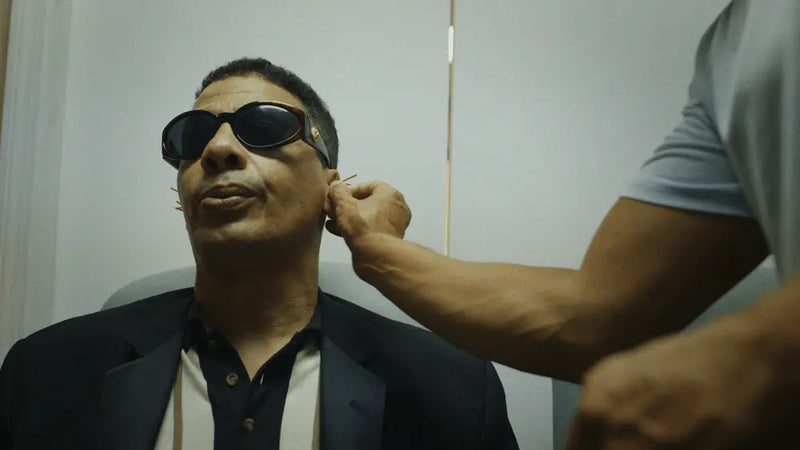
    Dope Is Death recounts the unexpected connection between acupuncture, the Young Lords and the Black Panther movement. A movie from Director Mia Donovan which seek to ask us how does self-care and pride in one’s community play a role in grassroots activism. As well as how can we understand the mechan
    • Film & Documentaries

  • Documentary: Anvil! The Story Of Anvil - Patta

    Documentary: Anvil! The Story Of Anvil

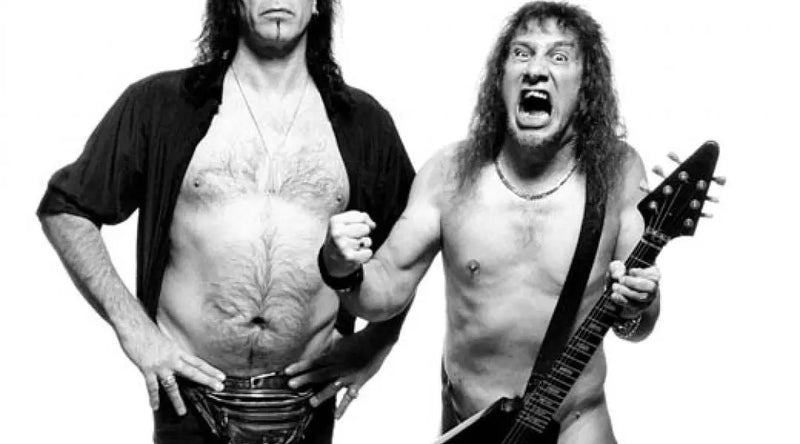
    Anvil! The Story of Anvil is a 2008 Canadian documentrary film about the Canadian heavy metal band Anvil. The film is directed by screenwriter Sacha Gervais, in his directorial debut, and features interviews with other musicians who have been influenced by the band, including Slash, Lemmy, Scott Ian
    • Film & Documentaries

Error